The word “organic” appears on everything from fruits and vegetables to snacks, beverages, and even pet food. For many shoppers, the label suggests healthier, cleaner, and more environmentally friendly products. But what does “organic” actually mean, and is it the best way to ensure you know what’s in your food?
In the United States, foods labeled “organic” must meet standards established by the U.S. Department of Agriculture (USDA). Organic farmers use practices that emphasize soil health, biodiversity, and natural growing methods. They avoid most synthetic pesticides and fertilizers, genetically modified organisms (GMOs), and sewage sludge. Livestock raised under organic standards also receive organic feed and have access to the outdoors, among other requirements.
While these standards offer consumers greater confidence in how food is produced, “organic” does not necessarily mean pesticide-free. Organic farming allows the use of certain naturally derived pesticides and approved substances when necessary. Likewise, organic foods are not automatically more nutritious than conventionally grown foods, although many people prefer them because of their production methods.
If you want complete confidence in how your fruits, vegetables, and herbs are grown, nothing compares to cultivating your own edible garden.
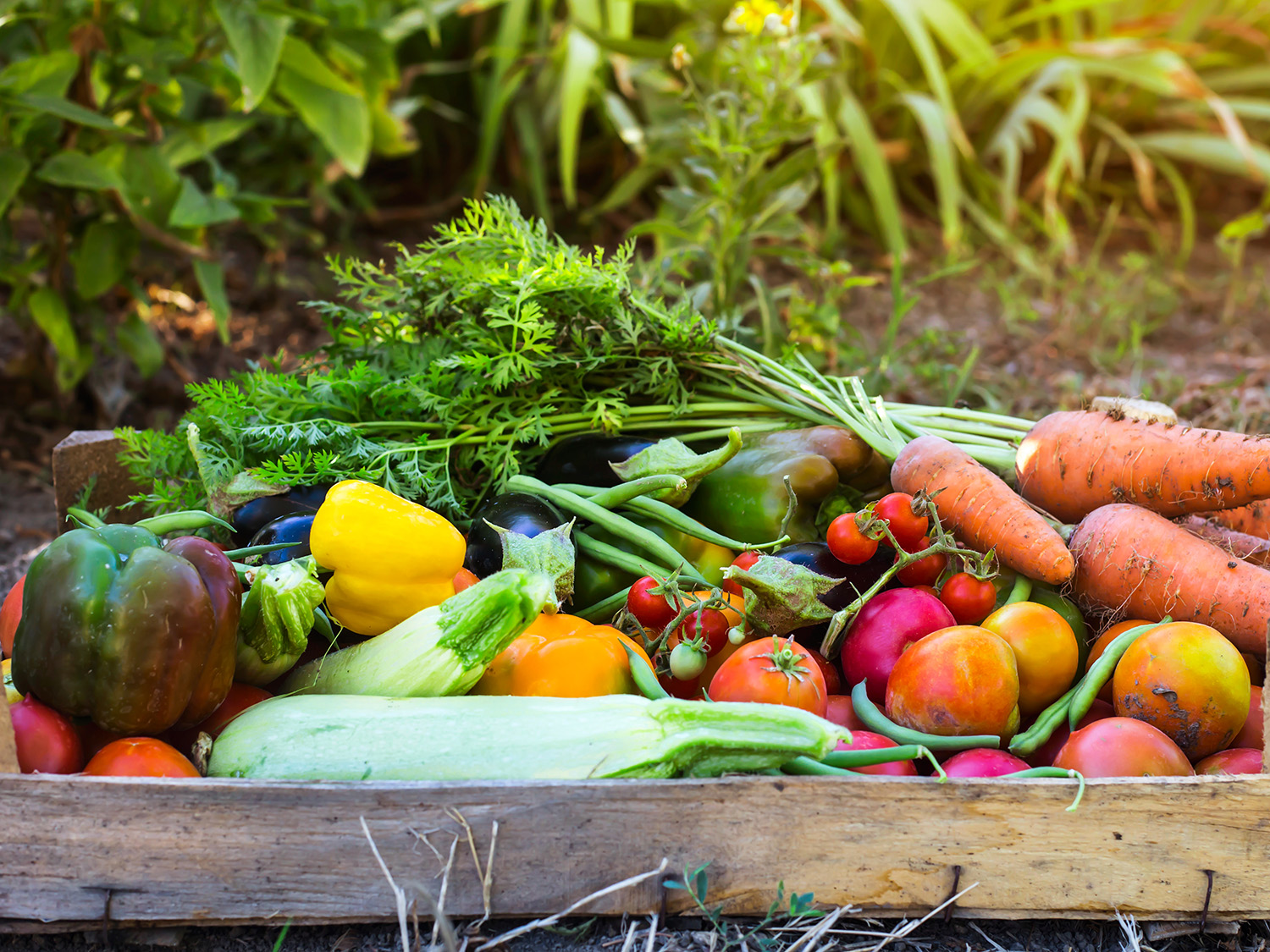
Your edible garden design gives you full control over every step of the growing process. You choose the soil, fertilizers, pest management methods, and watering schedule. Whether you prefer fully organic gardening practices or simply want to minimize chemical use, growing your own produce allows you to make those decisions yourself.
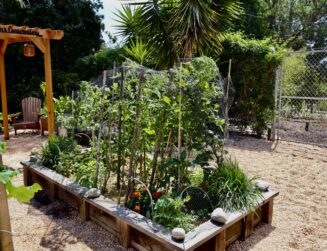
Another benefit is freshness. Vegetables harvested just minutes before dinner often have better flavor and texture than produce that has spent days traveling from farm to grocery store. Even a small raised bed or a few containers can provide tomatoes, peppers, lettuce, herbs, strawberries, and other favorites throughout the growing season.
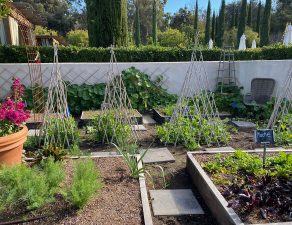
An edible garden can also become a beautiful feature of your outdoor living space. Many homeowners are incorporating raised planting beds, fruit trees, herb gardens, and decorative vegetable plots into their Temecula landscape design. By blending attractive hardscaping with productive plants, it’s possible to create a landscape that is both beautiful and functional.
Whether you’re planning a complete backyard makeover or simply want to carve out space for fresh herbs and vegetables, thoughtful planning is essential. Call us to discuss your edible garden project. We can help you create an outdoor space that combines stunning landscaping with a productive edible garden, allowing you to enjoy fresh, homegrown food and greater confidence in what you’re serving your family.