
Creating Desert Landscaping in Your Own Yard
Desert landscaping has become one of the most popular design styles for homeowners throughout Southern California. It offers a clean, modern look while working naturally with the climate. When done right, a desert landscape is not just about saving water. It is about creating a visually striking outdoor space that feels intentional, balanced, and easy to maintain.
At McCabe’s Landscape, we design and build custom outdoor environments that reflect both your personal style and the natural surroundings of the Temecula Valley. Desert landscaping is one of the most effective ways to achieve a refined look that performs well year-round.
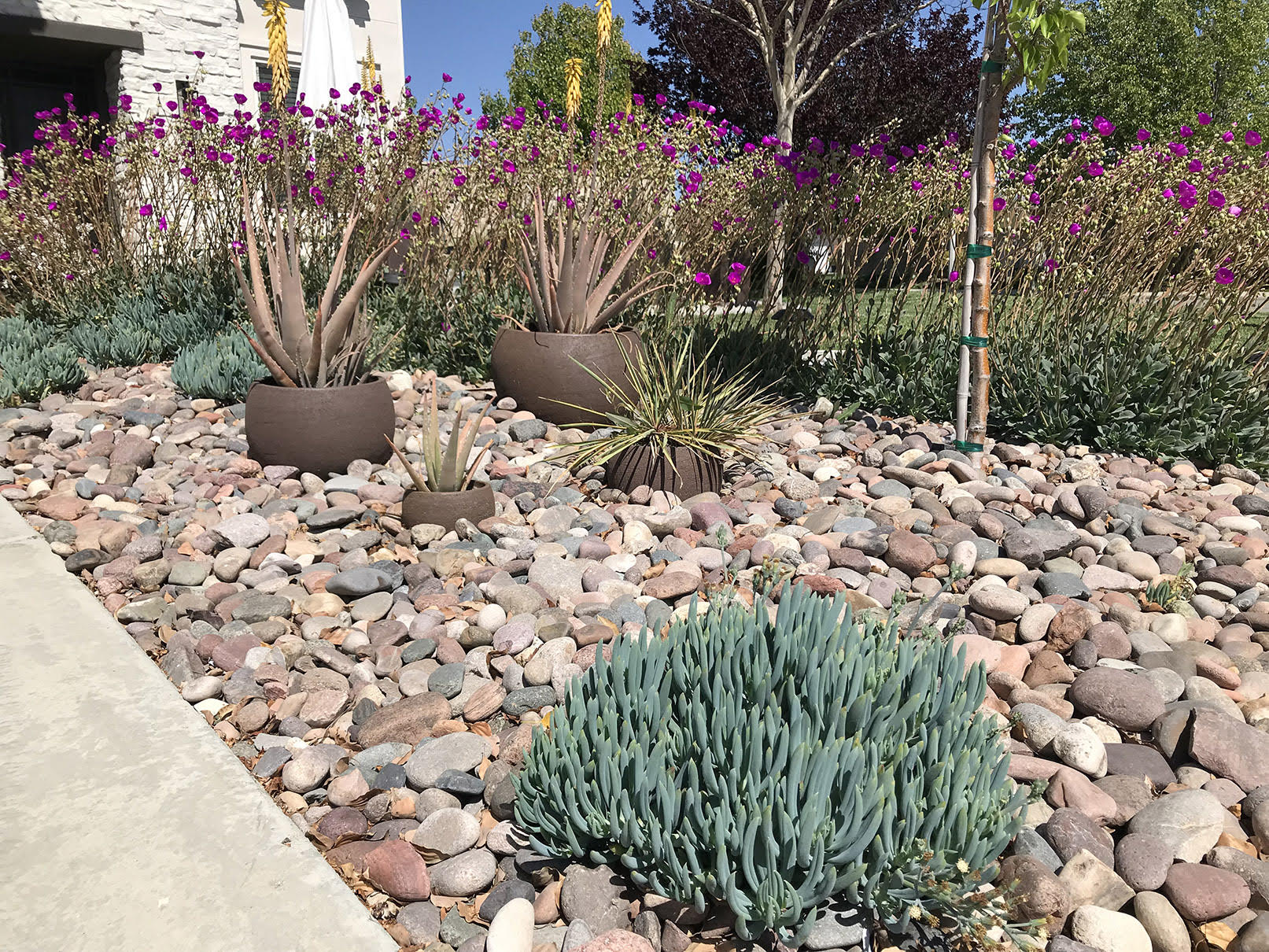
Desert Landscaping Ideas That Define the Style
Desert landscape design is centered around simplicity, structure, and the use of natural materials. Rather than filling every space with greenery, this style embraces openness and contrast.
Clean Lines and Open Space in Desert Landscaping
One of the defining characteristics of desert landscaping is the use of clean lines and intentional spacing. Instead of dense planting, the design allows each element to stand on its own.
This approach creates a calm, uncluttered look that feels modern and sophisticated. Open space also allows architectural features, pathways, and focal points to stand out more clearly.
In many Temecula homes, this translates into wider walkways, spaced-out plant groupings, and a more breathable layout that complements the home rather than overwhelming it.
Natural Stone and Hardscaping Features
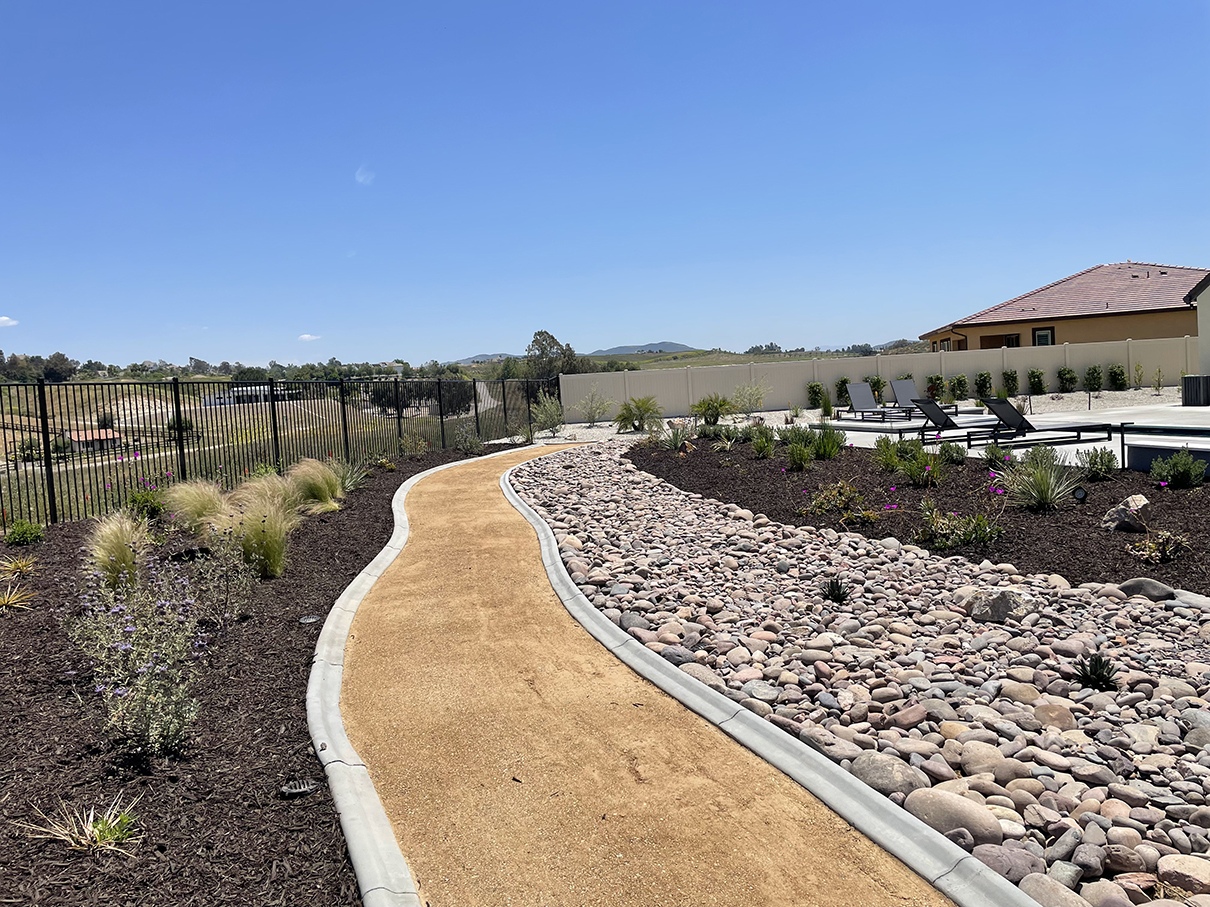
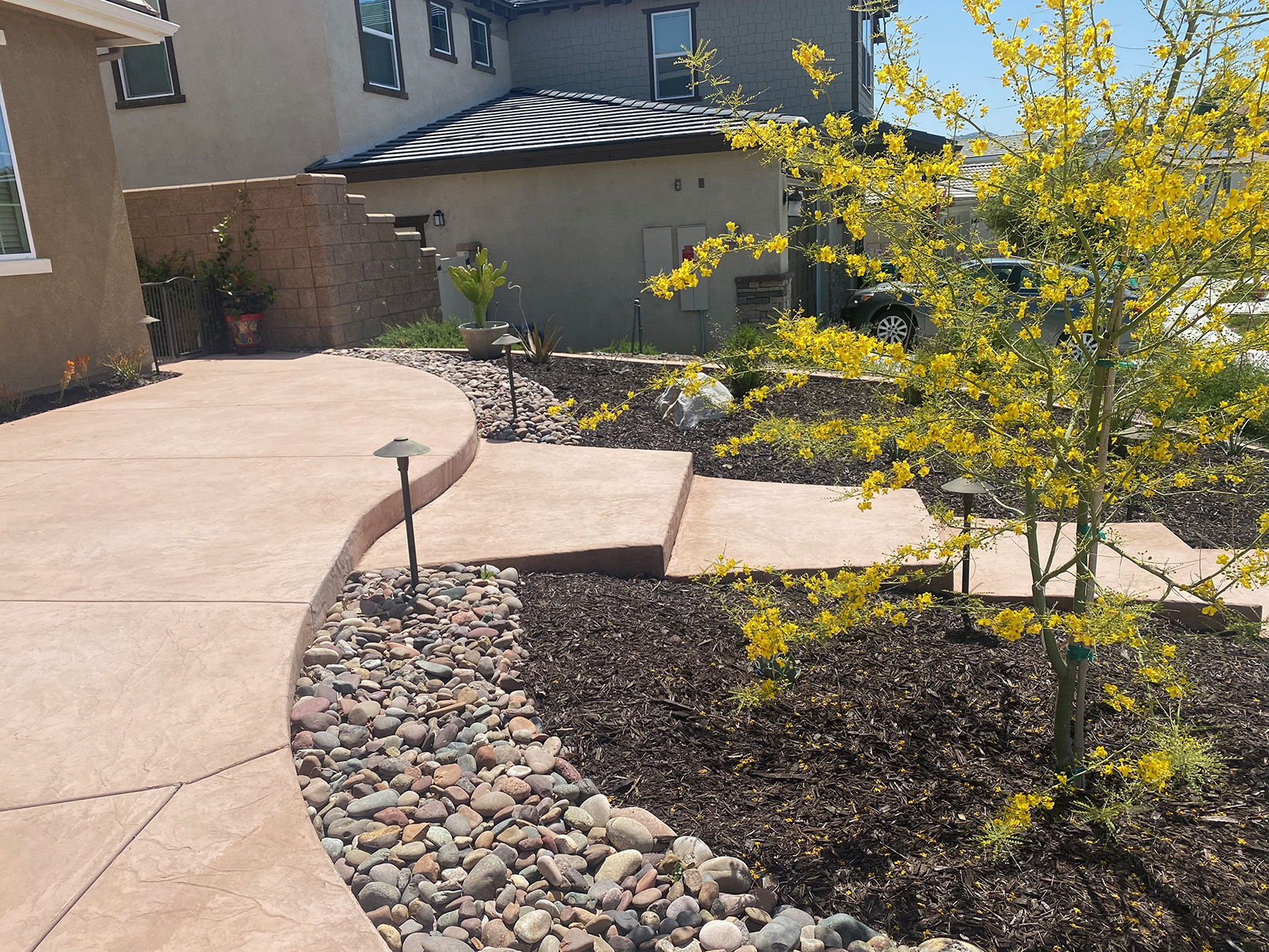
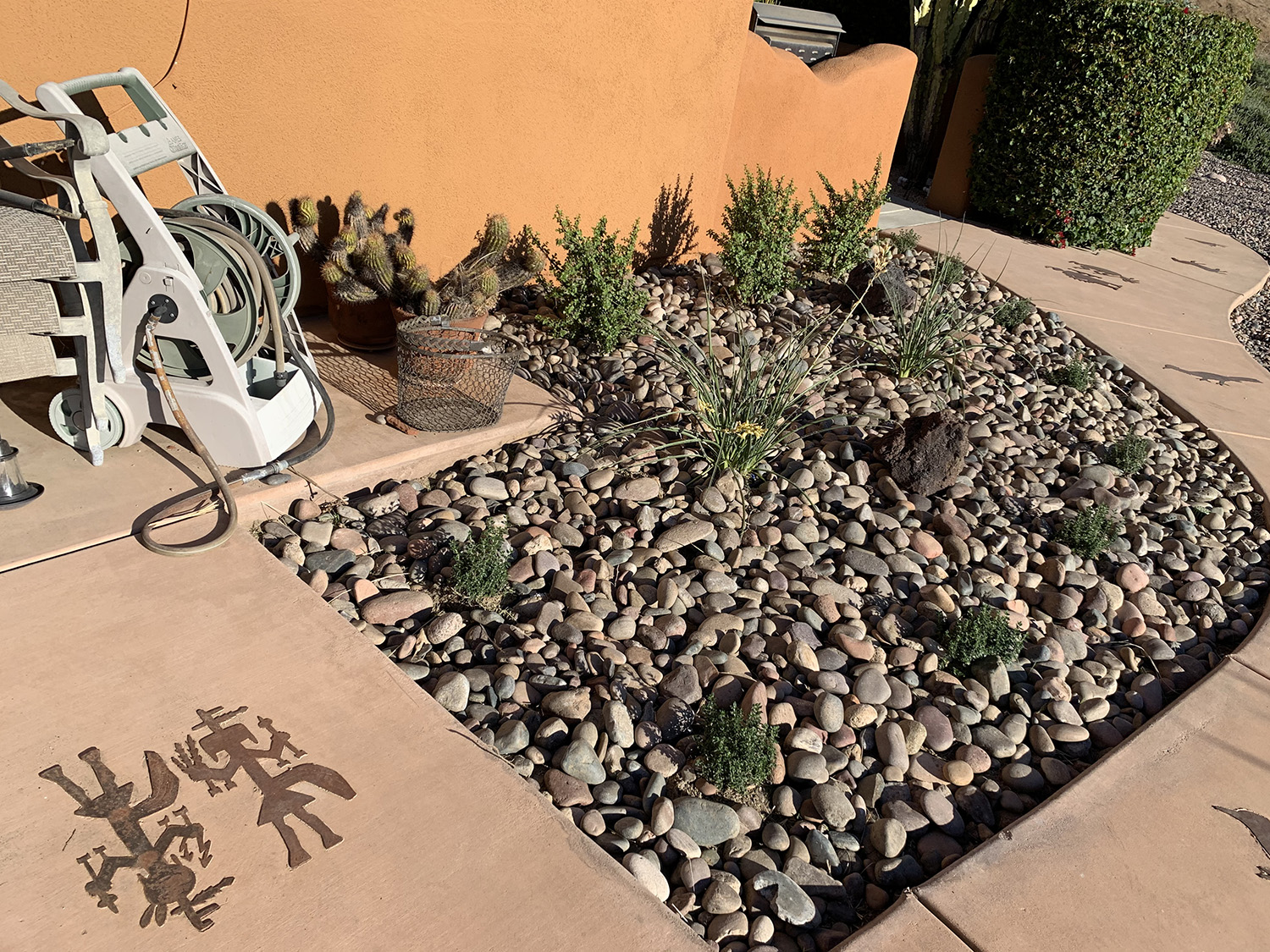
Hardscape plays a major role in desert landscape design. Materials like natural stone, concrete, and decomposed granite are used to build structure and texture throughout the yard.
These elements can include patios, walkways, retaining walls, and decorative rock features. The goal is to create a landscape that feels grounded and connected to the natural environment.
Using high-quality materials not only enhances the appearance of the yard but also improves durability and reduces long-term maintenance.
Natural Landscape Color Palettes
Color selection is another key component of this style. Desert landscapes typically rely on warm, earthy tones that reflect the surrounding environment.
Common color palettes include:
- Soft tans and sandy neutrals
- Warm browns and terracotta tones
- Muted greens and silvers from plant life
These colors create a cohesive look that blends seamlessly with the natural surroundings while still feeling polished and intentional.
Choosing Plants for a Desert Landscape Design
Plant selection in desert landscaping is about more than just drought tolerance. It is about choosing plants that enhance the overall design and create visual interest.
Sculptural Plants and Focal Points
In desert landscape design, plants are often used as focal points rather than filler. This means selecting species with unique shapes, textures, and growth patterns.
Popular choices include:
- Agave
- Aloe
- Yucca
- Barrel cactus
These plants provide strong visual structure and can anchor different areas of the yard. Their bold forms help create a modern desert aesthetic that feels both natural and curated.
Layering Plants for Depth and Balance
While desert landscapes are more minimal, they still benefit from thoughtful layering. Combining taller focal plants with mid-sized shrubs and low ground cover creates depth without overcrowding the space.
This layered approach allows the landscape to feel dynamic while maintaining the clean, open look that defines the style.
Proper spacing is essential here. Each plant should have room to grow and be appreciated on its own.
Drought-Tolerant Landscaping That Enhances Design
Drought tolerant landscaping is a natural fit for desert-style yards, but it should support the design rather than drive it.
Using low water plants helps reduce irrigation needs and ongoing maintenance. At the same time, these plants often feature interesting textures and colors that contribute to the overall aesthetic.
This balance between function and design is what makes desert landscaping such a strong choice for homeowners in Southern California.
Materials and Ground Cover in Desert Landscaping
Ground cover and surface materials are just as important as plants when creating a cohesive desert landscape.
Decomposed Granite and Gravel Landscaping
Decomposed granite and gravel are commonly used throughout desert landscape design. These materials provide a clean, natural look while helping define different areas of the yard.
They can be used for:
- Pathways
- Seating areas
- Decorative ground cover
In addition to their visual appeal, these materials are durable and require very little maintenance compared to traditional lawns.
Rock Features and Dry River Beds
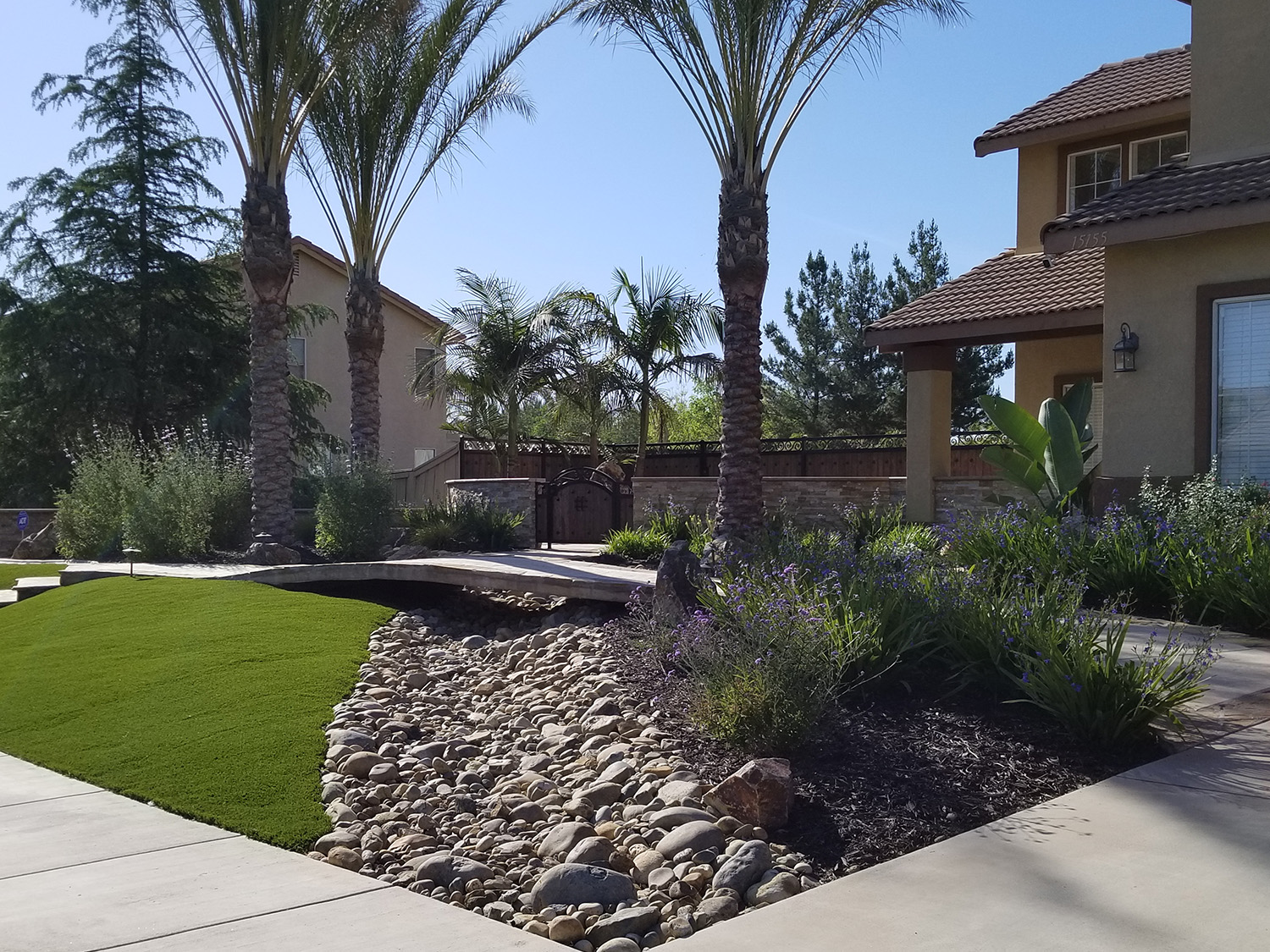
Decorative rock features are another way to add interest and movement to a desert landscape. Dry river beds, in particular, are a popular design element.
They mimic natural water flow patterns and can help guide drainage during heavy rain. At the same time, they serve as a visual focal point that adds texture and dimension to the yard.
When designed properly, these features look completely natural and enhance the overall layout.
Artificial Turf in Desert Landscape Design
For homeowners who still want a touch of green, artificial turf can be incorporated into a desert landscape.
When used sparingly, turf provides contrast against the surrounding stone and plant materials. It can be especially effective in backyard areas where families want a functional space for relaxation or play.
The key is to integrate turf in a way that feels intentional rather than forcing a traditional lawn into a desert-style design.
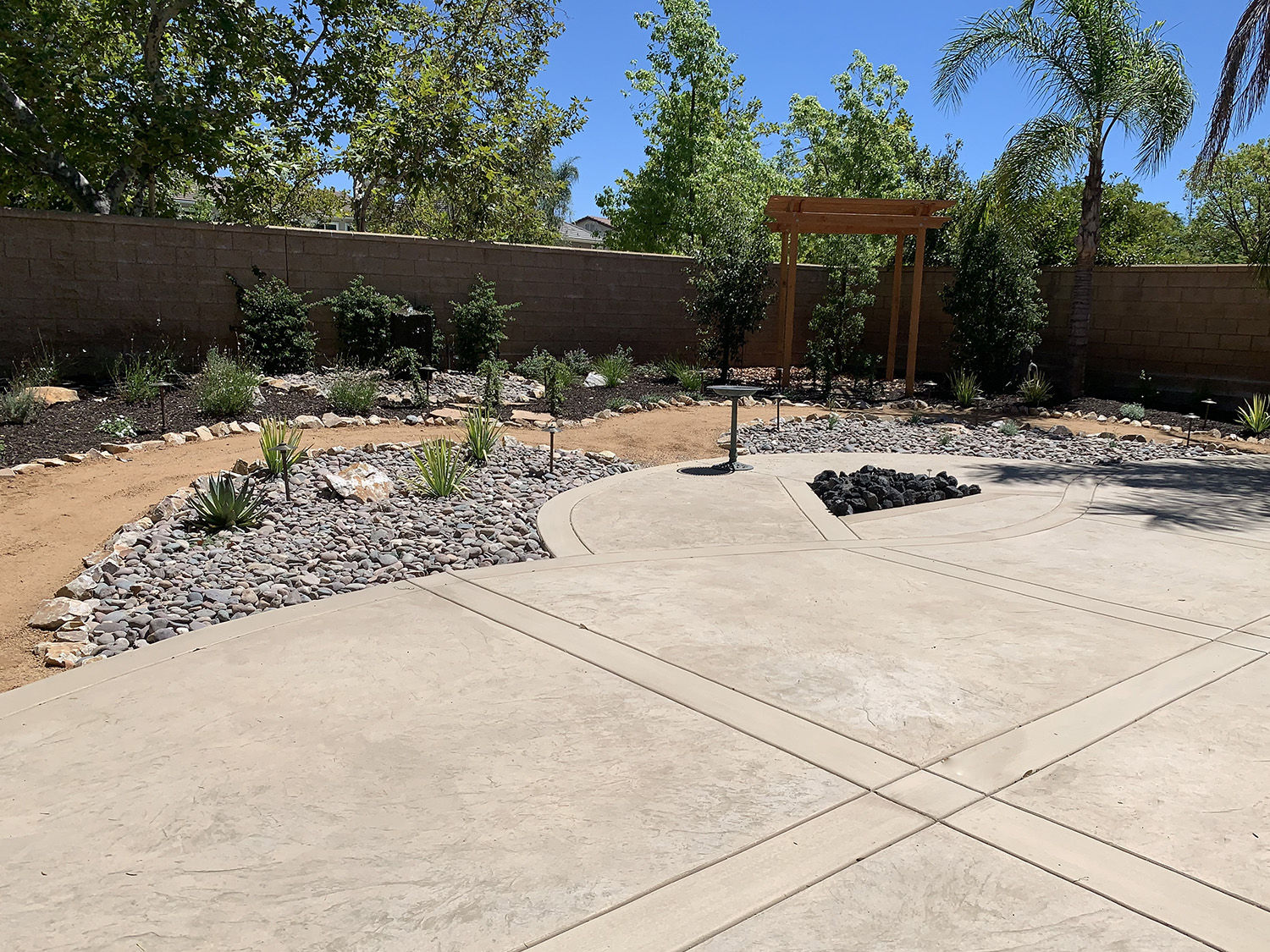
Outdoor Living Spaces in a Desert Landscape
Desert landscaping is not just about appearance. It is also about creating outdoor spaces that are comfortable and usable year-round.
Patio Design and Shade Structures
Patios are a central feature in many desert landscape designs. Using materials like pavers or natural stone, these spaces can be customized to match the overall style of the yard.
Shade structures such as pergolas or patio covers are essential in Southern California. They provide relief from the sun and make outdoor areas more enjoyable during warmer months.
A well-designed patio becomes an extension of the home and a place where homeowners can relax or entertain.
Fire Features and Ambient Lighting
Fire pits and outdoor fireplaces pair naturally with desert landscaping. They add warmth, create a focal point, and make the space usable in the evening.
Lighting also plays an important role. Low-voltage landscape lighting can highlight pathways, plants, and architectural features while enhancing safety.
Together, these elements create a welcoming atmosphere that elevates the entire outdoor space.
H3: Blending Landscape Design with Home Architecture
One of the most important aspects of desert landscaping is how well it integrates with the home itself.
A successful design will reflect the architecture of the house, whether it leans modern, Mediterranean, or traditional. Materials, colors, and layout should all feel connected.
At McCabe’s Landscape, this is a key part of the design process. Every project is tailored to ensure the landscape complements the home and enhances overall curb appeal.
Why Desert Landscaping Works So Well in Temecula
Desert landscaping is especially well-suited for the Temecula Valley. The climate naturally supports low water plants and durable materials, making it easier to maintain a beautiful yard year-round.
Homeowners benefit from:
- Reduced water usage
- Lower maintenance requirements
- A clean, modern aesthetic
- Long-lasting materials that hold up in the heat
This combination of practicality and style makes desert landscaping one of the smartest investments you can make in your outdoor space.
FAQs About Desert Landscaping
What is desert landscaping?
Desert landscaping is a design style that uses drought tolerant plants, natural materials, and open space to create a clean, low-maintenance outdoor environment that reflects arid and Southwest aesthetics.
Is desert landscaping the same as xeriscaping?
Xeriscaping focuses primarily on water conservation, while desert landscaping emphasizes both water efficiency and visual design. The two often overlap but are not exactly the same.
What plants work best in a desert landscape?
Popular choices include agave, aloe, yucca, and various types of cactus. These plants offer strong visual appeal while requiring minimal water.
Can I still have grass in a desert landscape?
Yes, but it is typically used sparingly. Many homeowners choose artificial turf to maintain a green element without the high water usage of natural grass.
Is desert landscaping expensive to install?
Costs can vary depending on materials and design complexity. While initial installation may be comparable to other landscape styles, the long-term savings on water and maintenance can make it a cost-effective option.