
Creating an attractive yard no longer means separating beauty from practicality. Today’s homeowners are embracing the idea of an edible landscape that blends ornamental appeal with fresh produce, herbs, and food-producing plants directly into the home landscape. Whether you want a few raised beds near the patio or a complete edible front yard transformation, edible garden landscaping offers a creative way to grow food while improving curb appeal.
At McCabe’s Landscape, homeowners throughout the Temecula Valley are discovering how thoughtful landscape design can combine beauty and function into one cohesive outdoor environment. With proper planning, planting, and maintenance, an edible landscape can become one of the most enjoyable and rewarding parts of your property.
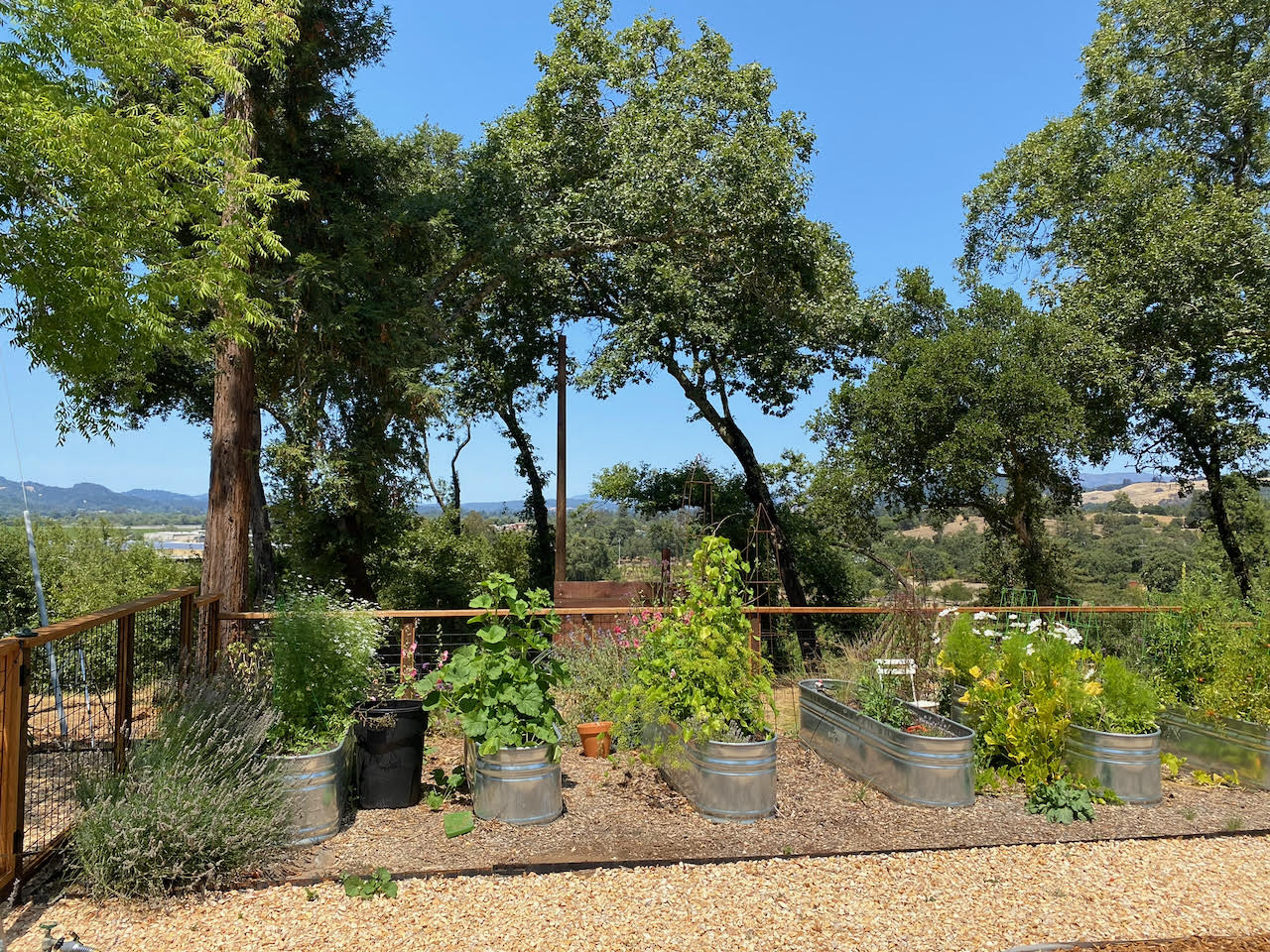
Creating an Edible Landscape With Beauty and Function
A successful edible landscape should feel intentional and visually balanced rather than looking like a basic vegetable garden dropped into the yard. The goal is to blend ornamental and edible plants in a way that complements the architecture and flow of the property.
Choosing the Right Edible Plants for Your Landscape Design
One of the most important parts of edible landscape design is choosing the right type of plant for each area of the yard. Some plants are edible while also offering striking color, texture, or foliage that works beautifully in a traditional landscape. Swiss chard, kale, basil, and eggplant all provide ornamental qualities while producing edible crops during the growing season.
Many homeowners also use edible flowers such as nasturtium to soften walkways and garden areas. These colorful additions attract beneficial insects and create a vibrant ornamental garden appearance while still serving a practical purpose.
Incorporate Edibles Into Existing Ornamental Landscape Features
You do not need to completely redesign your property to incorporate edible plants. In many cases, crops can be incorporated into existing landscape plants and decorative features. A shrub border may include blueberry or currant bushes, while a decorative hedge can include rosemary or thyme.
An arbor or trellis covered in cucumber vines or raspberry can become a focal point while also supporting harvest production. Many ornamental plants can coexist beautifully with fruits and vegetables when planting is carefully planned.
Why Ornamental and Edible Plants Work Together
Homeowners often assume edible landscaping means sacrificing elegance, but ornamental and edible plants can create a highly polished look. Purple kale, fennel, swiss chard, and basil all add texture and color variation throughout the landscape.
Plants that have edible leaves or edible fruit often provide seasonal interest similar to ornamental plants. Flowering herbs and perennial plants can even enhance pollinator activity while adding softness and movement to the yard.
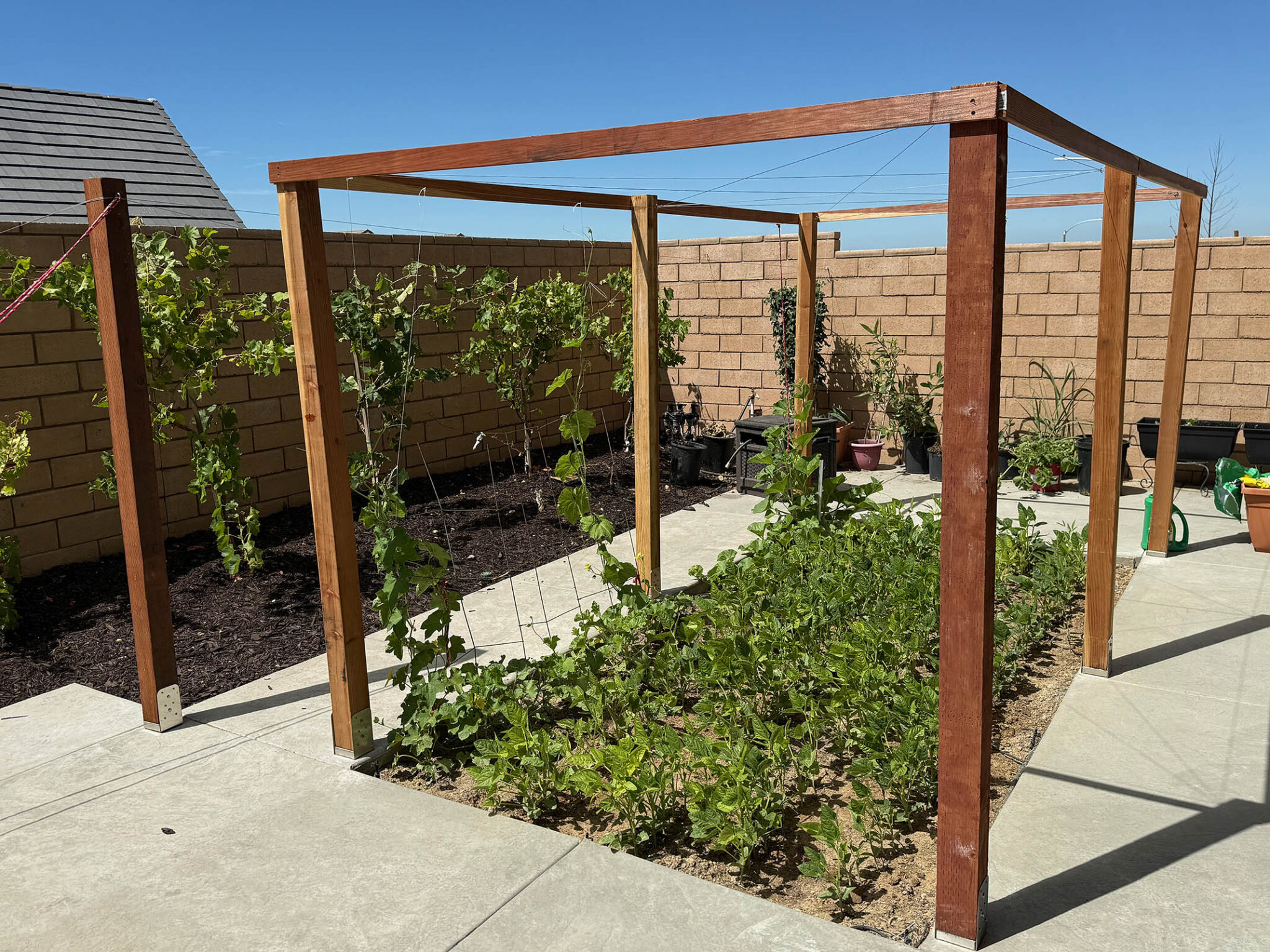
Raised Beds, Garden Beds, and Smart Planting Ideas
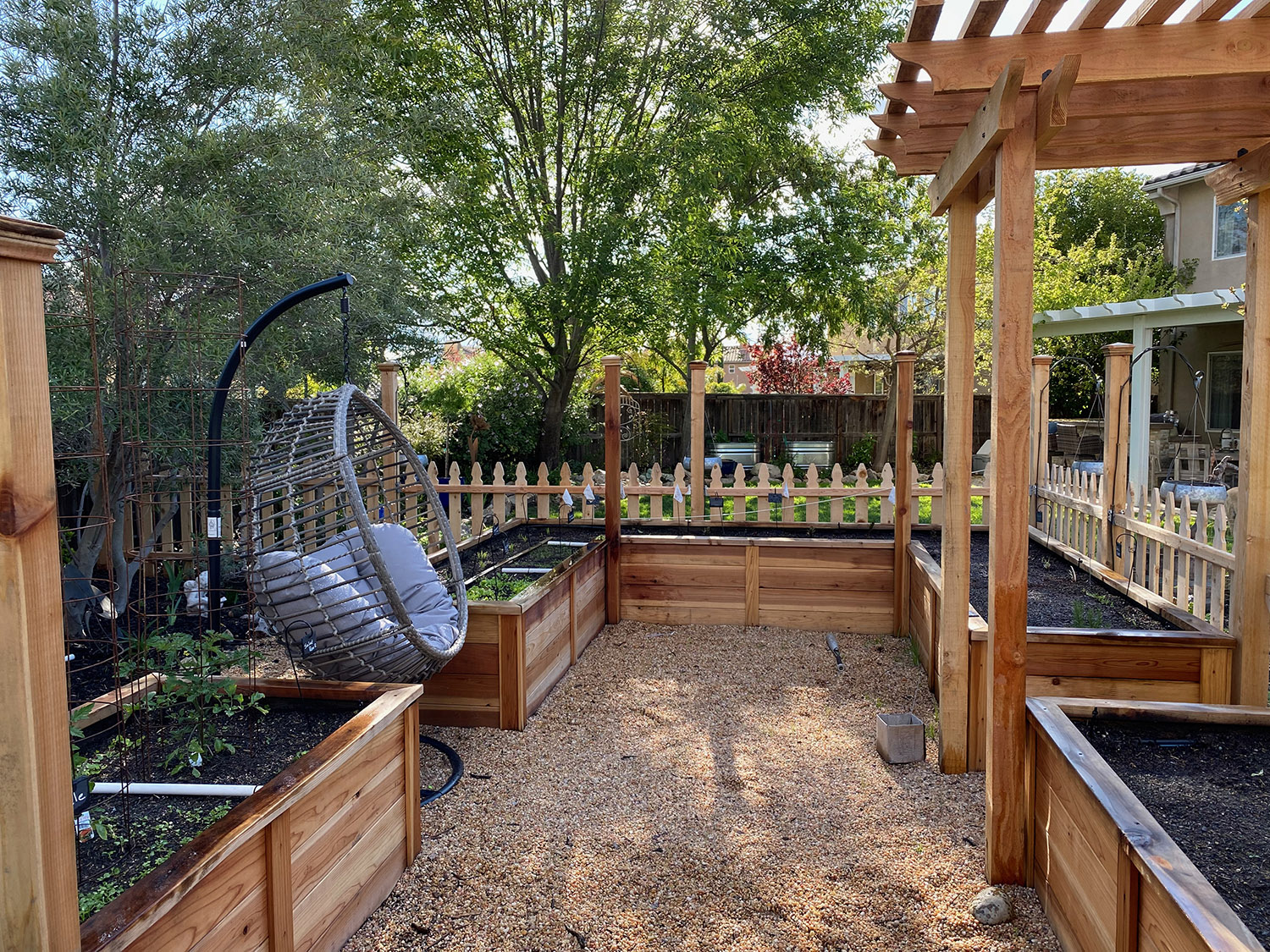
A well-designed edible garden requires structure and organization. Raised beds and thoughtfully planned garden bed layouts make maintenance easier while helping plants thrive throughout the year.
Raised Bed Vegetable Planting for Easy Maintenance
A raised bed system is one of the easiest ways to start small with an edible garden. Raised beds help improve drainage, soil control, and accessibility while giving the yard a more organized appearance.
Many vegetables require healthy soil conditions and regular watering, so adding organic matter before planting is important. Raised beds also allow homeowners to group plants with similar water and sunlight needs together for more efficient maintenance.
Garden Bed Layouts for Full Sun Conditions
Most edible crops require full sun conditions to perform well. When choosing the right location, homeowners should evaluate the amount of sunlight available throughout the day and proximity to a reliable water source.
Planting in full sun allows vegetable varieties like eggplant, cucumber, basil, and asparagus to thrive. Fruit trees and fruit and nut trees also benefit from carefully selected sunny locations that support long term growth and harvest production.
Using Ground Covers and Support Plants
Edible landscaping does not always mean rows of vegetables. Many support plants and ground covers help stabilize soil, reduce weeds, and improve overall horticulture health.
Low growing thyme can serve as an attractive border along pathways while also functioning as an herb for cooking. Dill and fennel can attract beneficial insects and pollinator activity that supports surrounding plants that serve the overall ecosystem of the garden.
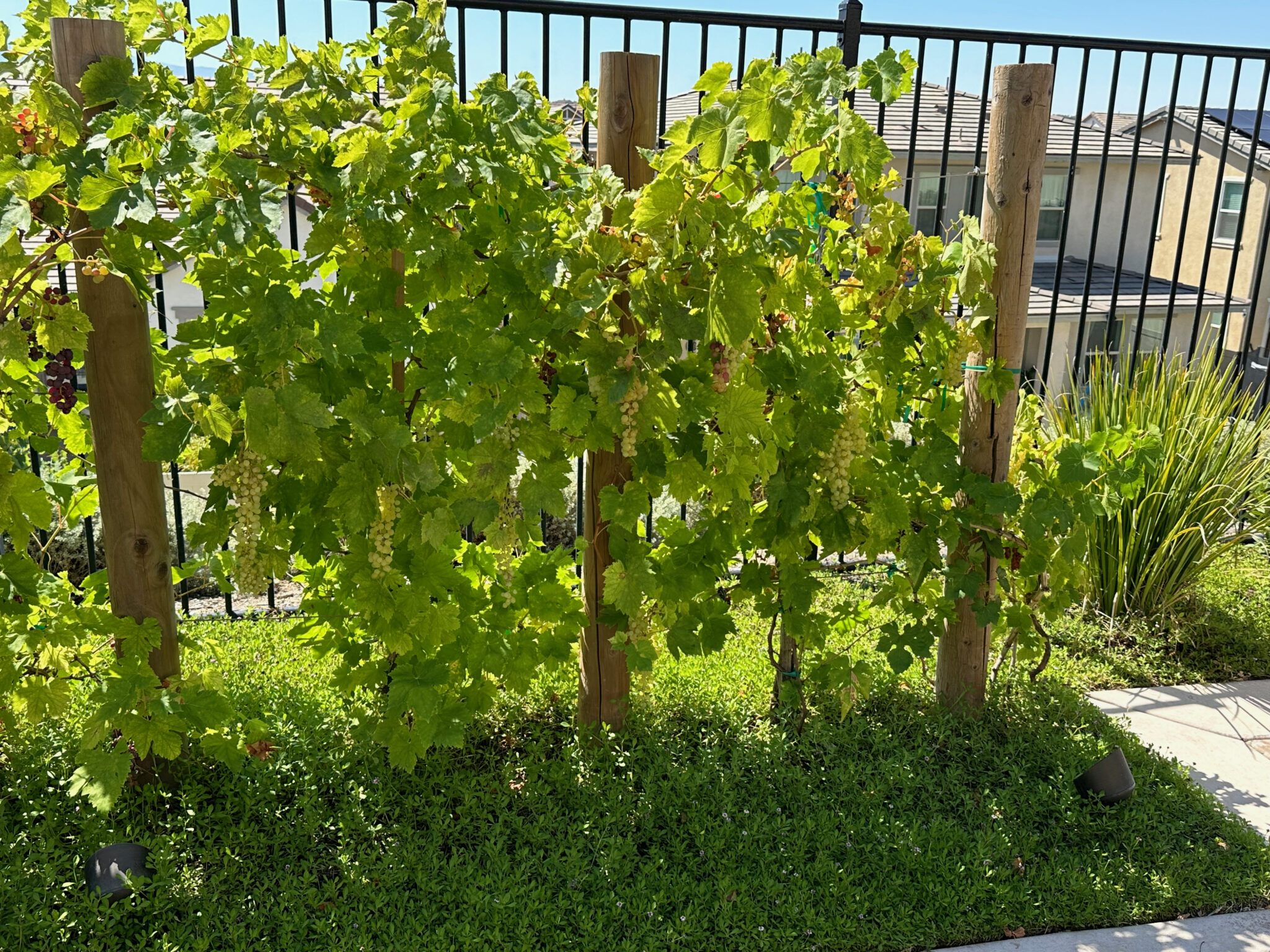
Fruit Trees, Perennials, and Food Producing Plants
Long lasting edible landscapes often rely on perennial selections and carefully chosen food-producing plants that continue producing year after year.
H3: Fruit Trees and Nut Trees for Long Term Value
Fruit trees are among the most valuable additions to an edible landscape because they provide shade, structure, and seasonal production. Citrus, stone fruit, and nut trees are popular throughout Southern California due to the favorable climate and extended growing season.
A well positioned bush or tree can anchor planting areas while contributing to the overall ornamental landscape design. Elderberry and blueberry shrubs can also create visual softness while producing edible fruit.
Perennial Plants That Keep Producing
Perennial plants reduce the need to replant every season and can create a more sustainable edible landscape. Asparagus is one example of a perennial vegetable that continues producing for years once established.
Other perennial selections can include herbs, edible flowers, and flowering landscape plants that contribute both visual appeal and function. These plants are easy to grow in many parts of the Temecula Valley and help create a successful edible outdoor environment.
Combining Annual Plants With Permanent Landscape Features
While perennial plants provide long term structure, annual plants allow homeowners to rotate seasonal vegetable varieties throughout the year. This combination creates flexibility while helping the landscape stay visually fresh.
Many homeowners enjoy changing out annual plants after the last spring frost to experiment with new edibles and seasonal flower combinations. Rotating crops also helps maintain healthier soil conditions and reduces pest problems.
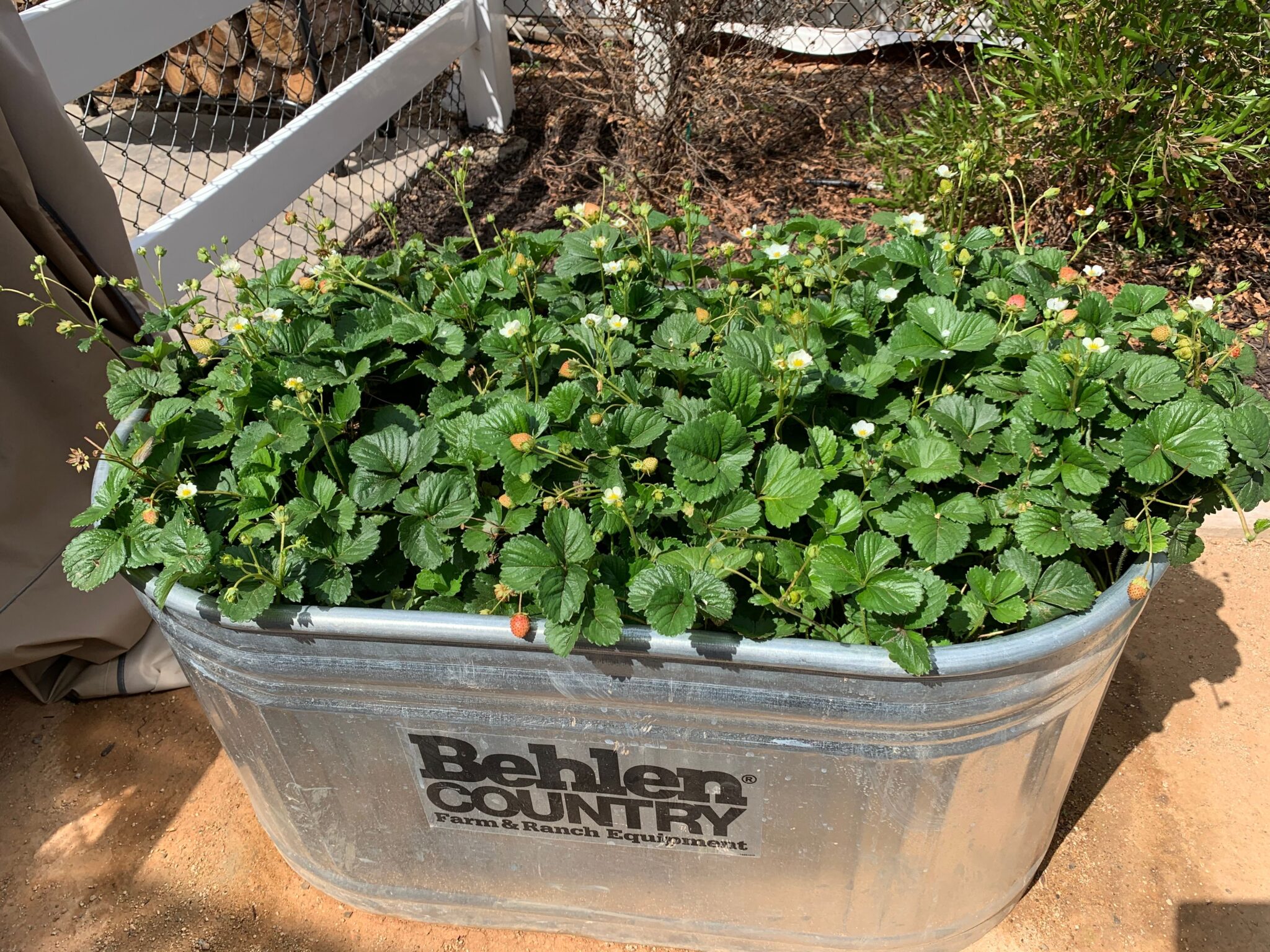
Designing an Edible Front Yard That Looks Professional
One of the biggest trends in modern landscape design is transforming the front yard into a productive and beautiful edible front space.
How to Use Edible Plants Without Losing Curb Appeal
A professionally designed edible front yard should still maintain clean lines, symmetry, and attractive layering. The best edible landscape projects use edible plant selections in a way that mirrors the structure of a traditional landscape.
Landscape design professionals often use repeated planting patterns, decorative pathways, ornamental accents, and carefully spaced planting zones to create a polished appearance. Food crop areas can blend seamlessly into the surrounding landscape when designed correctly.
Choosing Plants With Both Beauty and Function
The best edible landscapes rely on plants with edible qualities that also provide visual interest. Purple basil, colorful swiss chard, and flowering herb varieties create dramatic texture and color contrast.
Plants are edible in many different ways, whether through edible leaves, fruits, roots, or flowers. Choosing the right combinations allows homeowners to maximize both aesthetics and productivity throughout the home garden.
Why Professional Design and Installation Matters
Creating an edible landscape involves far more than simple planting. Drainage, irrigation, spacing, soil conditions, sunlight exposure, and long term maintenance all affect how successful edible landscaping will become.
At McCabe’s Landscape, homeowners receive complete design and installation services tailored to the unique climate and growing conditions of the Temecula Valley. From choosing the right edible plant combinations to designing efficient garden areas, professional planning helps ensure long term success.
Whether you want a few edible accents or a complete edible landscape design transformation, thoughtful planning can turn your outdoor space into something both functional and visually stunning.
FAQs About Edible Garden Landscaping
What is an edible landscape?
An edible landscape combines ornamental landscape features with plants that produce food. This can include vegetables, herbs, fruit trees, edible flowers, and other food-producing plants integrated into the yard.
Can edible landscaping work in a front yard?
Yes. An edible front yard can look extremely polished when planting is carefully designed. Many homeowners use ornamental plants alongside edibles to maintain curb appeal while growing food at home.
Do vegetables require a lot of maintenance?
Some vegetables require more care than others, but smart planting techniques and proper irrigation can simplify maintenance. Starting with easy to grow varieties is often the best approach for beginners.
What are some popular edible landscape design ideas?
Popular design ideas include raised bed gardens, herb borders, fruit and nut trees, trellis systems, edible flower beds, and incorporating edible crops into existing landscape features.
Where can homeowners learn more about edible gardening?
Many homeowners gather information from local cooperative extension programs, gardening groups, and professional landscape companies experienced in edible landscaping and planting strategies.