
Wine Country Landscaping in Temecula
Wine country landscaping combines Mediterranean and drought-conscious planting, natural materials, inviting patios, outdoor entertaining areas, and views that connect a home to its surroundings. In the Temecula Valley, successful wine country landscape design should also account for hot summers, water efficiency, soil conditions, drainage, shade, and the architectural style of the home.
Whether you own a large estate near the wineries or simply want your backyard to capture the relaxed character of Temecula Wine Country, thoughtful planning can turn an ordinary yard into a comfortable, polished outdoor retreat.
McCabe’s Landscape has been designing and building outdoor environments throughout the Temecula Valley for more than two decades. Homeowners looking for experienced Temecula landscape designers can benefit from working with a local team that understands the region’s climate, terrain, architecture, and outdoor lifestyle.
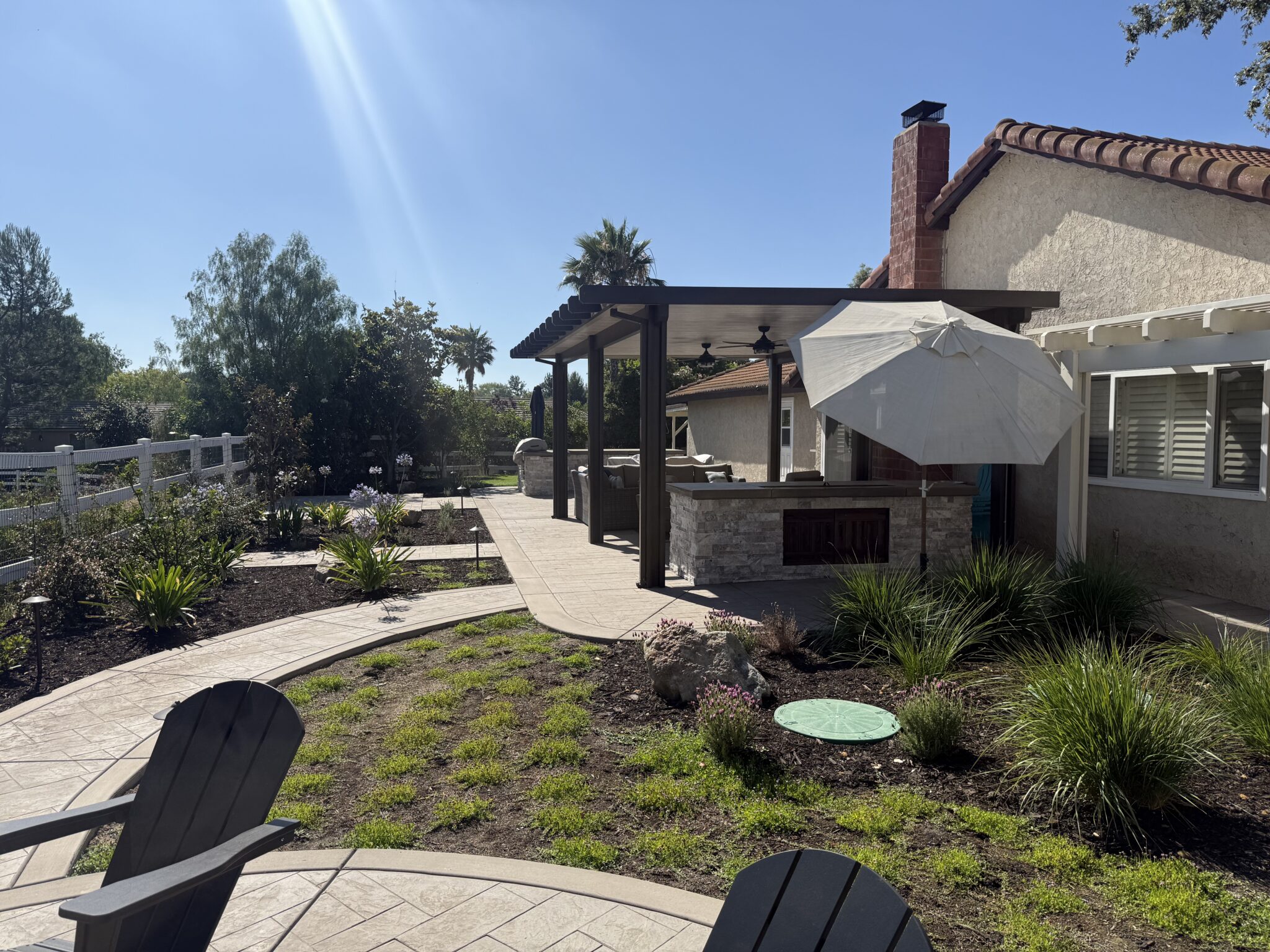
What Makes a Wine Country Landscape Work in Temecula?
The best wine-country landscapes feel natural rather than themed. They borrow the relaxed elegance associated with vineyard regions while responding specifically to Temecula’s climate, terrain, architecture, and the way Southern California homeowners live outdoors.
Start With the Home and Property
A successful landscape begins with the architecture. Spanish, Mediterranean, European, modern farmhouse, and contemporary homes can all support a wine country style, but the materials, planting, and proportions should reinforce the home rather than compete with it.
Mediterranean influences are especially appropriate for the Temecula Valley. Olive trees, lavender, stone, terracotta tones, ornamental grasses, and comfortable outdoor gathering areas are common elements of Mediterranean garden design and translate particularly well to wine country properties.
For homeowners who prefer a more casual rural appearance, elements of farmhouse garden landscapingcan also work beautifully. Gravel paths, informal planting, edible gardens, natural materials, and relaxed gathering areas can soften a larger estate and create a more welcoming atmosphere.
Preserve Vineyard Views and Create Privacy
For homes overlooking a vineyard or the surrounding valley, preserving the view should be part of the design from the beginning. Lower planting can protect important sightlines while carefully positioned trees and shrubs screen neighboring homes, roads, equipment, or utility areas.
A fence, hedge, wall, or change in planting can create privacy without making the property feel enclosed. On sloped properties, retaining walls can also create usable areas while helping manage elevation changes and drainage.
Even if a home does not overlook an actual winery or vineyard, structured rows of plants, natural materials, olive trees, grapes, and other agricultural references can create a subtle connection to the surrounding Wine Country.
Take Inspiration From Napa and Sonoma, but Design for Temecula
Napa and Sonoma may be famous for wine-country landscapes, but Temecula has its own climate, soil, terrain, and architectural character. A Sonoma County estate can be a useful reference, but it should not become a blueprint for a Southern California property.
Wine country does not have to mean rustic, either. Contemporary homes can combine vineyard-inspired planting with the cleaner lines, restrained materials, and geometric forms found in modern landscaping.
The most successful approach is custom. Good landscape design in Temecula should respond to the individual property rather than forcing every home into the same style.
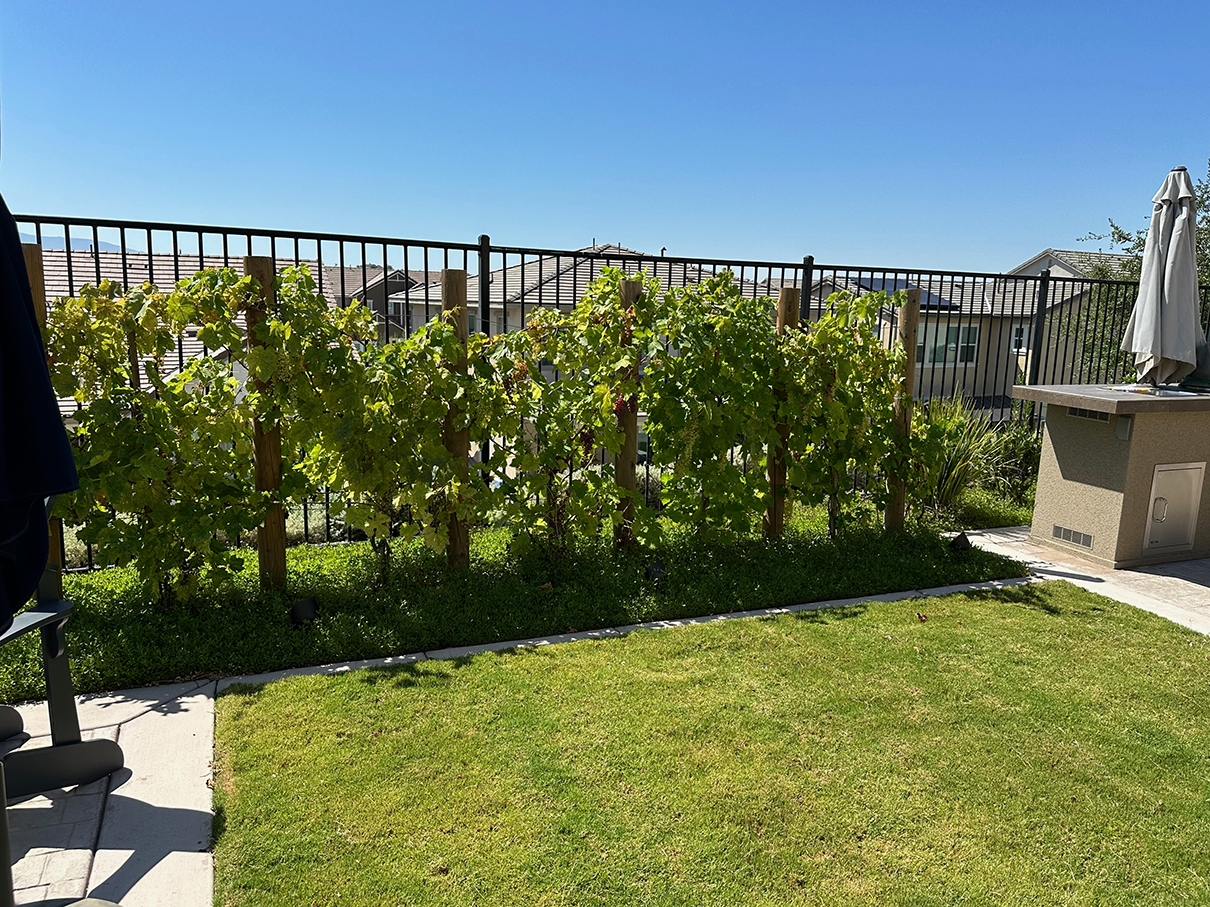
Which Plants and Materials Work Best for Temecula Wine Country Landscaping?
The strongest plant and material choices balance appearance, durability, water use, and long-term maintenance. Mediterranean plants, California-friendly varieties, natural stone, gravel, and warm hardscaping can produce a lush landscape without relying on large areas of thirsty lawn.
Use Mediterranean and Water-Wise Planting
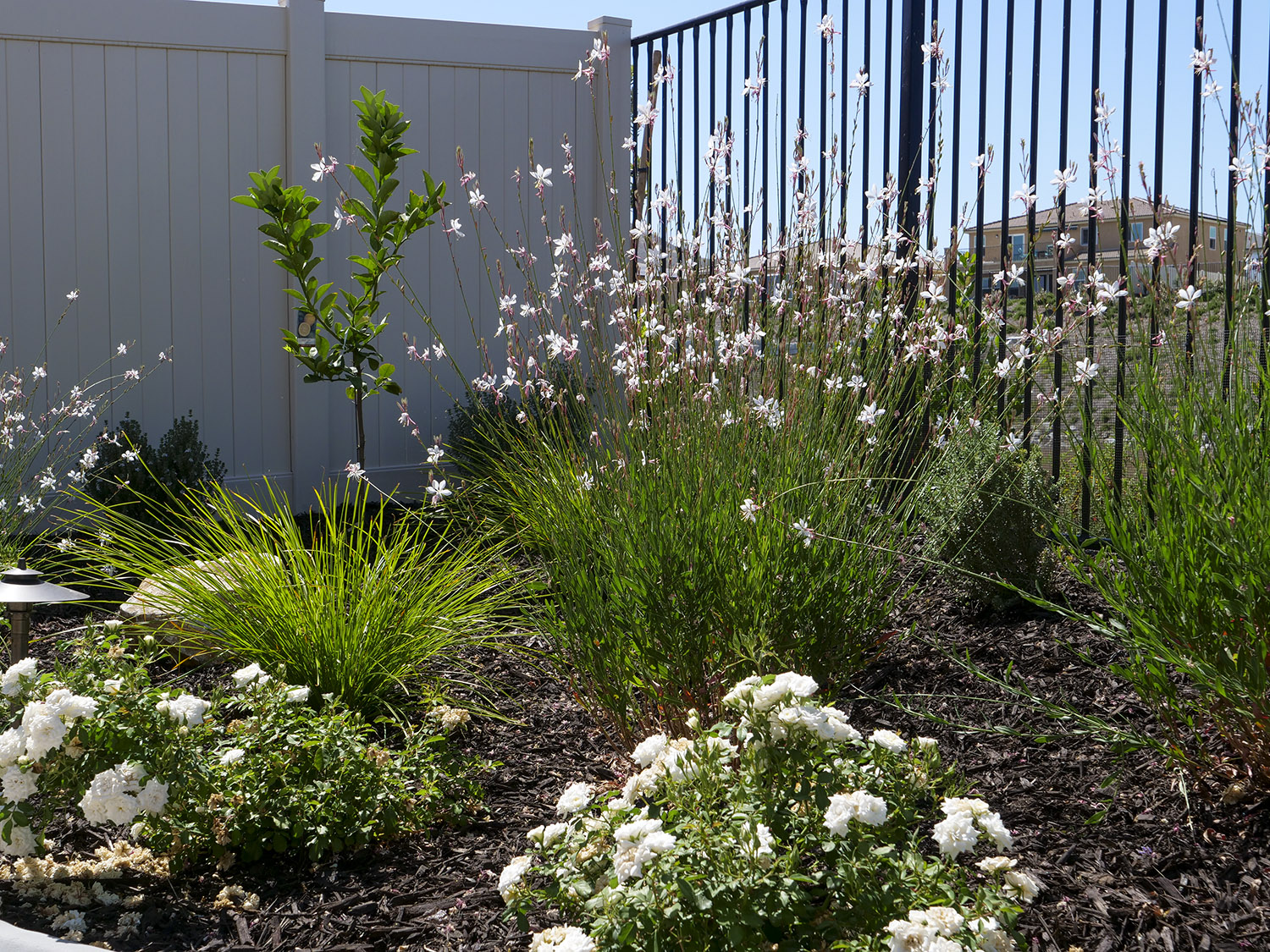
Olive trees, lavender, rosemary, ornamental grasses, succulents, citrus, flowering shrubs, and selected California native plants can all complement a wine country setting. Each plant should be selected according to sun exposure, mature size, water requirements, soil, and its role in the overall design.
UC Agriculture and Natural Resources recommends grouping plants according to similar water needs so landscape areas can be irrigated efficiently. Mediterranean-climate plants are also particularly useful in Southern California because many can perform well with relatively limited irrigation once established. (UC Agriculture and Natural Resources)
Homeowners who want their landscape to be both beautiful and productive can also incorporate ideas from edible garden landscaping. Citrus, herbs such as rosemary, grape vines, fruit trees, and attractive edible plants can blend naturally into a wine country garden.
Create a Lush Look Without Excessive Water Use
A lush landscape does not necessarily require a large lawn or water-intensive planting. Layering trees, shrubs, grasses, groundcovers, and seasonal flower varieties can create depth and texture while keeping water use reasonable.
Mulch also plays an important role. The UC Master Gardener Program of Riverside County recommends using mulch to reduce evaporation, protect plant roots from heat, and suppress weeds. (UC Master Gardener Program of Riverside County)
Some principles used in desert landscaping can be incorporated without creating a true desert garden. Gravel, decomposed granite, stone, succulents, and drought-conscious planting can reduce maintenance and water needs while still supporting a warm, sophisticated wine country style.
Choose Natural Materials That Age Well
Natural stone, gravel, decomposed granite, textured concrete, pavers, and basalt can complement both traditional and contemporary homes. Materials tend to look more cohesive when their colors and textures relate to the architecture and surrounding landscape.
Good hardscaping should also improve how people move through the property. Paths can connect the home, patio, pool, fire feature, garden, and side yard so the entire outdoor space functions as one environment.
The goal is not to add as many materials as possible. Limiting the palette and repeating key elements throughout the property generally produces a more refined estate appearance.
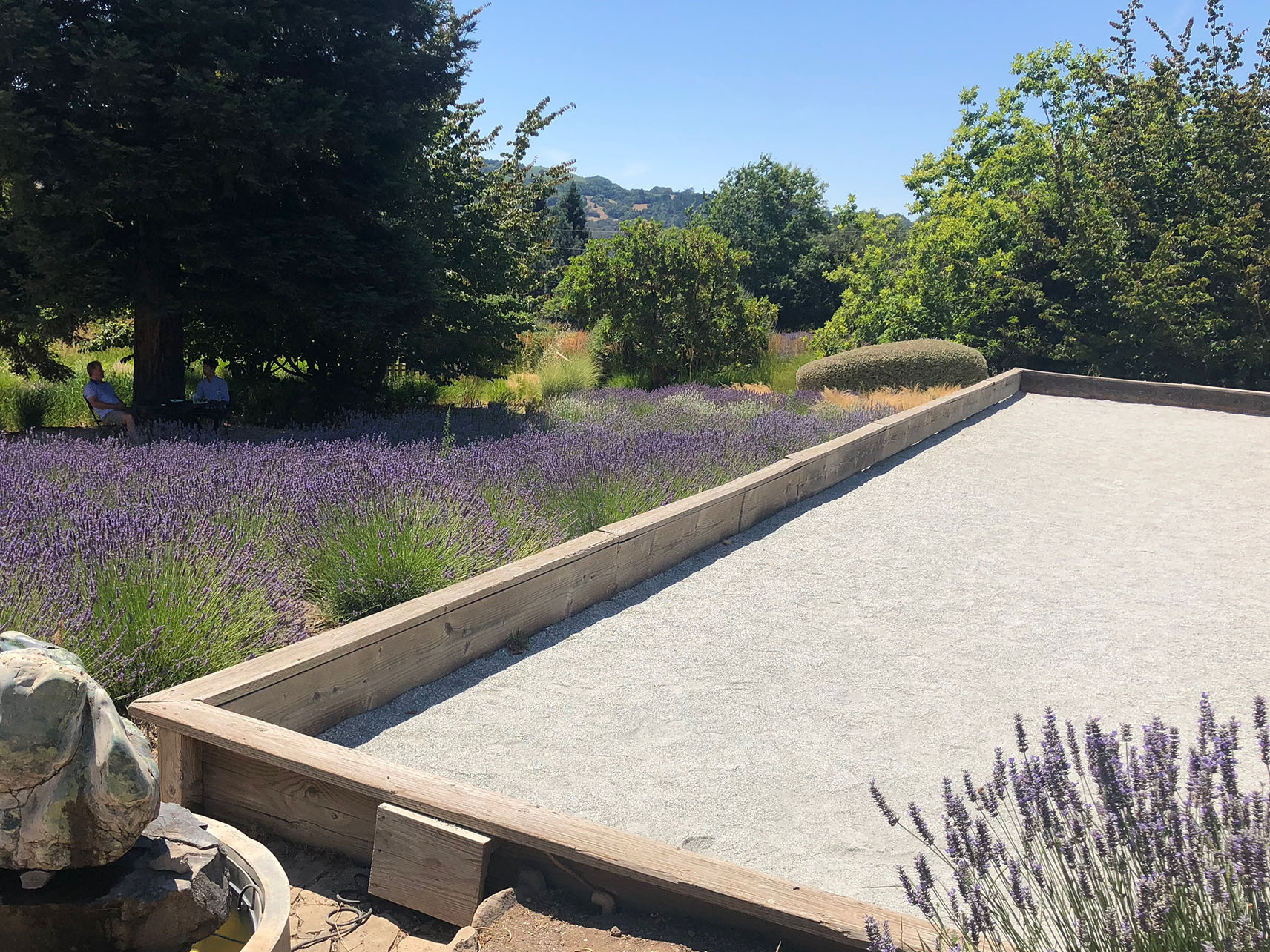
What Should a Wine Country Backyard Include?
A wine country backyard should be designed around how people actually live. Comfortable entertaining areas, shade, fire features, lighting, and practical circulation can make the outdoors useful for everyday family life as well as larger gatherings.
Build the Outdoor Space Around Entertaining
A well-designed patio often becomes the heart of the backyard. Depending on the scope and budget, it might connect to an outdoor kitchen, dining area, barbecue, fireplace, fire pit, pool, or built-in seating.
Rather than adding every possible feature, consider how the space will actually be used. How many people typically gather there? Where does the afternoon sun hit? Is the goal large-scale entertaining or quiet evenings with family?
These questions help determine the appropriate size and location of each feature before construction begins.
Add Shade, Lighting, and Comfortable Gathering Areas
Temecula’s warm weather makes shade an important part of outdoor planning. Pergolas, patio covers, umbrellas, and strategically placed trees can make patios much more comfortable during hot afternoons.
After sunset, landscape lighting can highlight trees, walls, pathways, and architectural details while making the property easier to navigate. Lighting should generally be subtle rather than overpowering, creating atmosphere while allowing the landscape itself to remain the focus.
These same ideas can work in traditional wine country settings or in cleaner, more contemporary outdoor environments. The specific design should reflect the home and the homeowner’s personal style.
Plan for Soil, Drainage, Slopes, and Irrigation
Some of the most important parts of landscape construction are the things homeowners rarely notice when everything is working correctly. Proper grading, soil preparation, irrigation, drainage, and erosion control can have a major impact on the long-term performance of the property.
California’s Model Water Efficient Landscape Ordinance uses the concept of hydrozones, grouping landscape areas according to similar water needs and site conditions such as sun exposure, slope, and soil. (California Department of Water Resources)
That same principle can be valuable on larger Temecula properties, where one part of an estate may receive significantly more sun or have different drainage characteristics than another.
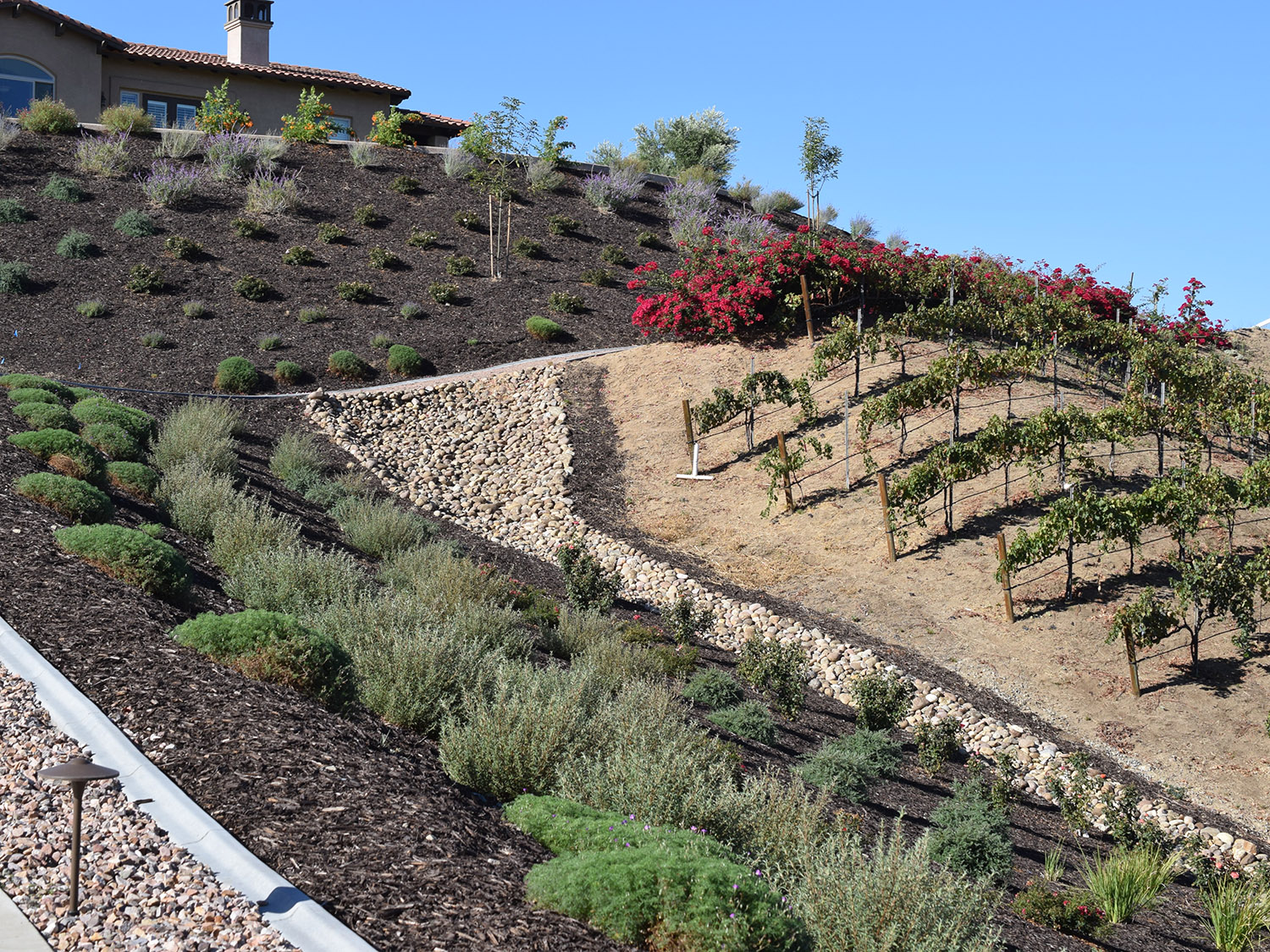
How Should Homeowners Plan a Wine Country Landscaping Project?
A successful project begins before construction. Establishing priorities, understanding pricing, developing a realistic budget, and choosing an experienced landscape contractor can prevent costly changes later.
Define the Scope Before Requesting an Estimate
Before requesting an estimate, decide which features are priorities. One homeowner may want an entertainment-focused backyard, while another is more concerned with privacy, a low-maintenance garden, better drainage, or improving views from inside the home.
Defining the scope also makes pricing easier to compare. When reviewing a quote, look beyond the total price and consider the materials, preparation, irrigation components, plant sizes, hardscaping, and construction services included.
A strong design can also identify improvements that might be completed in phases if the entire project does not fit the current budget.
Choose an Experienced Landscape Contractor and Crew
For a significant project, homeowners should ask about the contractor’s license, experience with similar properties, construction process, project supervision, and schedule. A reference from a previous client can also provide useful insight.
The design itself is only part of the equation. An experienced crew needs to translate the plans into the finished landscape while properly addressing grading, irrigation, drainage, hardscape installation, planting, and other construction details.
McCabe’s Landscape provides complete design, construction, and maintenance services, allowing homeowners to work with one team throughout the process. You can view additional ideas and completed projects from these Temecula landscape design professionals.
Think About Maintenance Before Installation
Every landscape requires some degree of maintenance, but the amount can vary dramatically depending on plant choices, irrigation, hardscape materials, lawn areas, and the overall complexity of the property.
Some homeowners enjoy spending weekends gardening. Others want a landscape that remains attractive when they are busy, traveling, or away on vacation. Those preferences should influence plant choices and design decisions from the beginning.
Planning for long-term maintenance helps protect the investment and makes it easier for the landscape to continue looking intentional and well cared for year-round.
Frequently Asked Questions About Wine Country Landscaping
What Is Wine Country Landscaping?
Wine country landscaping combines Mediterranean or water-wise plants, natural materials, vineyard-inspired elements, and comfortable outdoor living areas. In Temecula, the design should also respond to local heat, irrigation requirements, soil, drainage, terrain, and architecture.
What Are the Best Plants for a Temecula Wine Country Landscape?
Olive trees, lavender, rosemary, ornamental grasses, succulents, citrus, California-friendly plants, and seasonal flowers can all work well. The right selections depend on sunlight, soil, irrigation, mature size, and the overall landscape design.
Can a Smaller Residential Backyard Have a Wine Country Look?
Yes. Wine country landscaping does not require a large estate. A smaller backyard can use Mediterranean planting, natural stone or gravel, a comfortable patio, warm lighting, and a focused material palette to create the same relaxed atmosphere.
How Can Wine Country Landscaping Use Less Water?
Climate-appropriate plants, efficient irrigation, mulch, limited turf, hydrozoning, and careful soil preparation can all help. The City of Temecula also identifies drought-tolerant plant materials and smart irrigation controllers as water-efficiency measures. (City of Temecula)
What Should I Ask Before Hiring a Landscape Contractor?
Ask about local experience, contractor license information, similar projects, project supervision, pricing, schedule, construction methods, and any workmanship guarantee. A clear proposal should define the scope of work, materials, responsibilities, and exclusions before the project begins.