Many people dream of harvesting fresh vegetables, herbs, and fruits from their own backyard. While selecting the right plants is important, the true foundation of a successful organic food garden is healthy soil. Rich, living soil provides nutrients, improves water retention, supports root development, and helps plants resist pests and disease naturally. If you want an abundant organic garden, the first step is learning how to build soil that is full of life.
Healthy soil is much more than dirt. It is a complex ecosystem filled with beneficial bacteria, fungi, earthworms, insects, and countless other microorganisms. These organisms break down organic matter and make nutrients available to plants. They also improve soil structure, helping roots access both water and oxygen.
One of the best ways to build healthy soil is by adding compost. Compost is often called “black gold” by gardeners because it is packed with organic matter and beneficial microbes. Regular applications of compost help improve nearly every aspect of garden soil.
Creating your own compost pile is surprisingly simple. Start by selecting a location with good drainage and partial shade. Add a mixture of “greens” and “browns” to the pile. Greens include fruit and vegetable scraps, coffee grounds, fresh grass clippings, and plant trimmings. Browns include dried leaves, straw, shredded paper, cardboard, and small twigs.
Aim for roughly two to three parts brown materials for every one part green material. This balance helps maintain proper decomposition. Keep the pile moist, but not soaking wet. It should feel similar to a damp sponge. Turning the pile every few weeks introduces oxygen and helps speed the composting process.
Over time, microorganisms will break down the materials into a dark, crumbly substance with an earthy smell. This finished compost can be mixed into garden beds, used around established plants, or applied as a top dressing to continually improve soil quality.
In addition to composting, gardeners can support soil health by minimizing tilling, planting cover crops, using organic mulches, and avoiding unnecessary chemical treatments that may disrupt beneficial soil life.
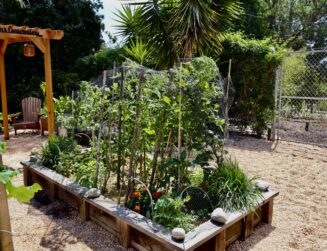
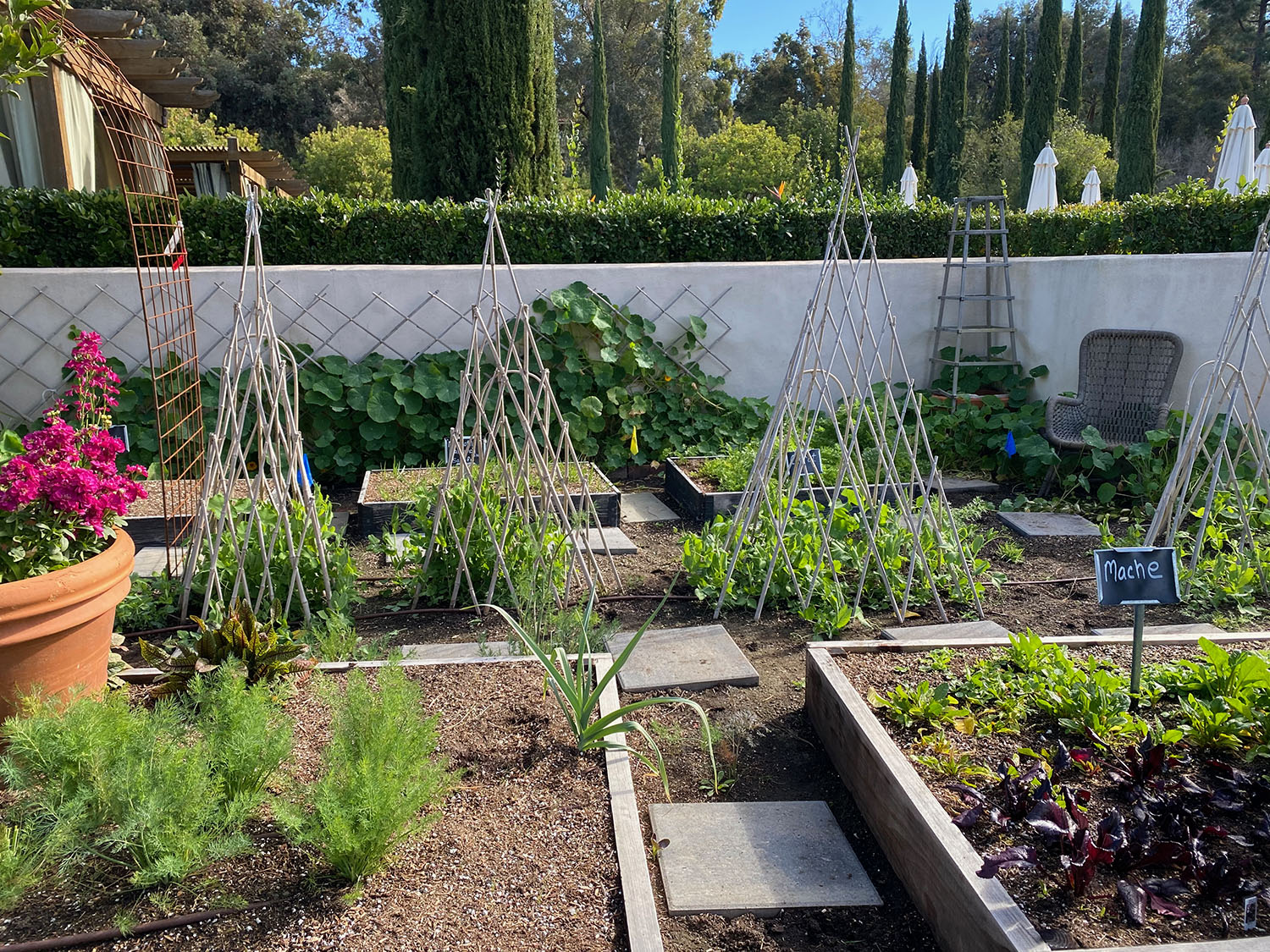
A productive organic food garden begins with thoughtful planning and proper installation. Whether you are interested in raised beds, in-ground planting areas, irrigation systems, or a complete edible landscape, our team of landscaping contractors in Temecula can help bring your vision to life.
If you’re ready to start your own food garden, contact us to discuss your plans. We can help design and install your garden project, creating a beautiful and productive growing space that will provide fresh harvests for years to come.