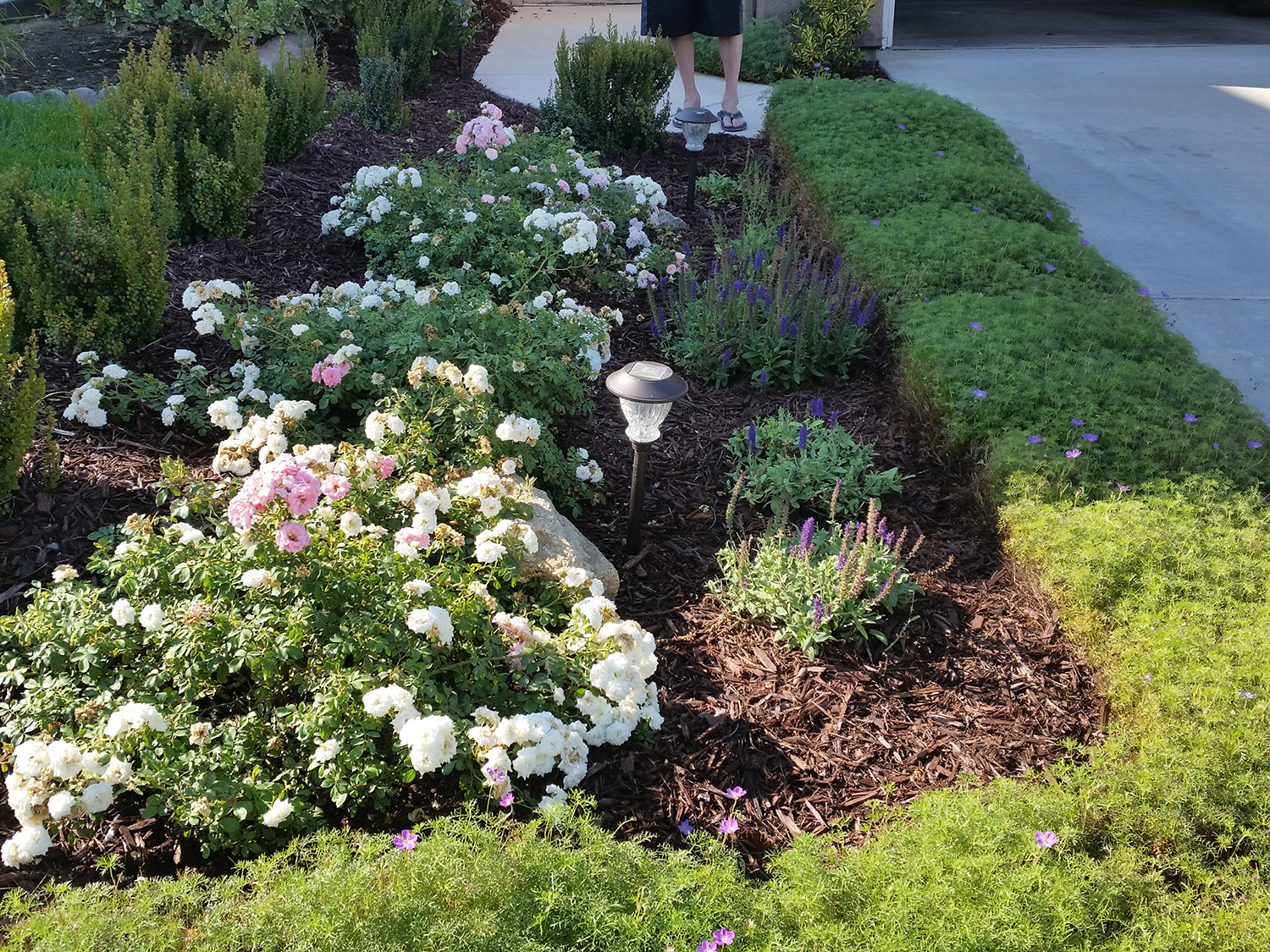
Pollinators play a vital role in the health and productivity of gardens, especially when growing fruits, vegetables, and herbs at home. Bees, butterflies, hummingbirds, and other pollinating insects help transfer pollen between flowers, allowing plants to produce food. Without pollinators, many common garden crops would struggle to produce healthy harvests. That is why planting flowers that attract pollinators is one of the smartest things gardeners can do.
Many popular food crops rely heavily on pollination. Tomatoes, squash, cucumbers, melons, berries, and fruit trees all benefit from healthy pollinator activity. When pollinators visit flowers regularly, plants often produce larger harvests, better-shaped fruits, and improved yields overall. A garden filled only with vegetables may not naturally attract enough pollinators, which is why adding flowering plants nearby is so important.
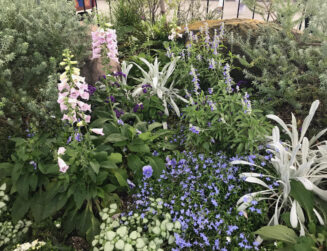
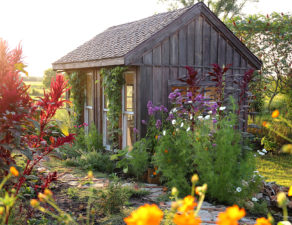
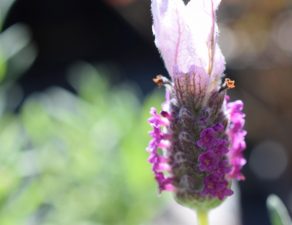
Flowers rich in nectar and pollen create a welcoming environment for beneficial insects. Lavender, coneflowers, sunflowers, salvia, black-eyed Susans, and native wildflowers are excellent choices for attracting bees and butterflies. Many gardeners who embrace farmhouse landscaping or cottage garden landscaping naturally incorporate these pollinator-friendly blooms because they add beauty while also supporting the environment.
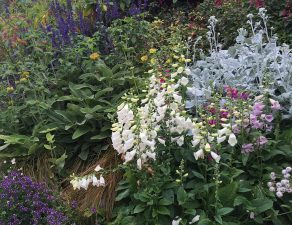
Cottage garden landscaping, in particular, is well known for its layered plantings and colorful flower varieties that create an ideal habitat for pollinators. Mixing flowers alongside herbs and vegetables can create a vibrant, productive garden space that feels both charming and functional.
Beyond planting flowers, there are several other ways you can help pollinators thrive. Reducing pesticide use is one of the most important steps. Many chemical pesticides harm bees and beneficial insects, even when used carefully. Organic gardening methods and natural pest control solutions are often safer alternatives for pollinator health.
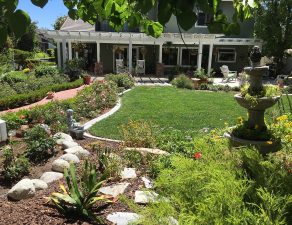
Providing a water source can also help. A shallow birdbath, dish with pebbles, or small water feature gives bees and butterflies a safe place to drink during hot weather. Leaving small areas of natural habitat, including native plants and flowering shrubs, creates shelter and nesting opportunities for pollinators as well.
Seasonal planning is another important consideration. Choosing plants that bloom at different times throughout the year helps ensure pollinators have a consistent food source from spring through fall.
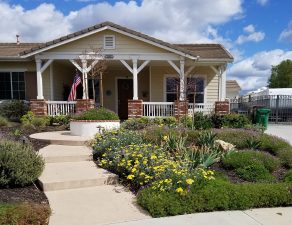
For those dreaming of creating beautiful, pollinator-friendly outdoor spaces, our team of landscaping contractors in Temecula can help design gardens that balance aesthetics, sustainability, and functionality. Whether you prefer a productive edible garden, farmhouse garden landscaping, or colorful cottage garden landscaping, incorporating pollinator-friendly plants is one of the best ways to create a thriving and environmentally supportive landscape.