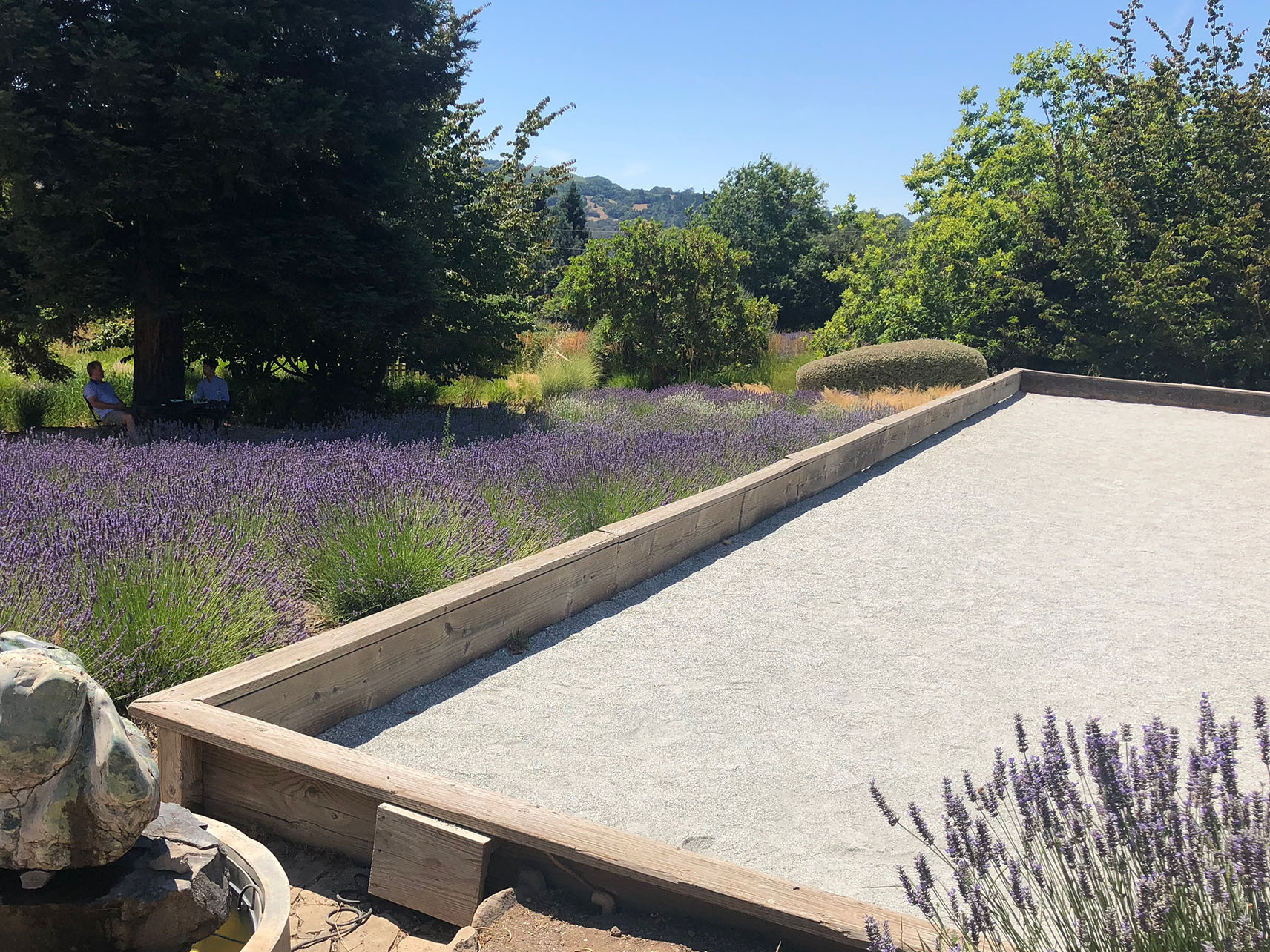
A Mediterranean garden captures the relaxed elegance and natural beauty found along the Mediterranean coast. Inspired by the landscapes of southern Europe and other coastal regions, this style of garden emphasizes drought-tolerant plants, sun-soaked outdoor living spaces, and timeless materials like terracotta and stone. With the warm climate and dry summers common in Southern California, many Mediterranean garden design principles translate beautifully to properties throughout the Temecula Valley.
Below are several design ideas and inspiration to help you transform your backyard into a sun-drenched retreat with a Mediterranean look and feel.
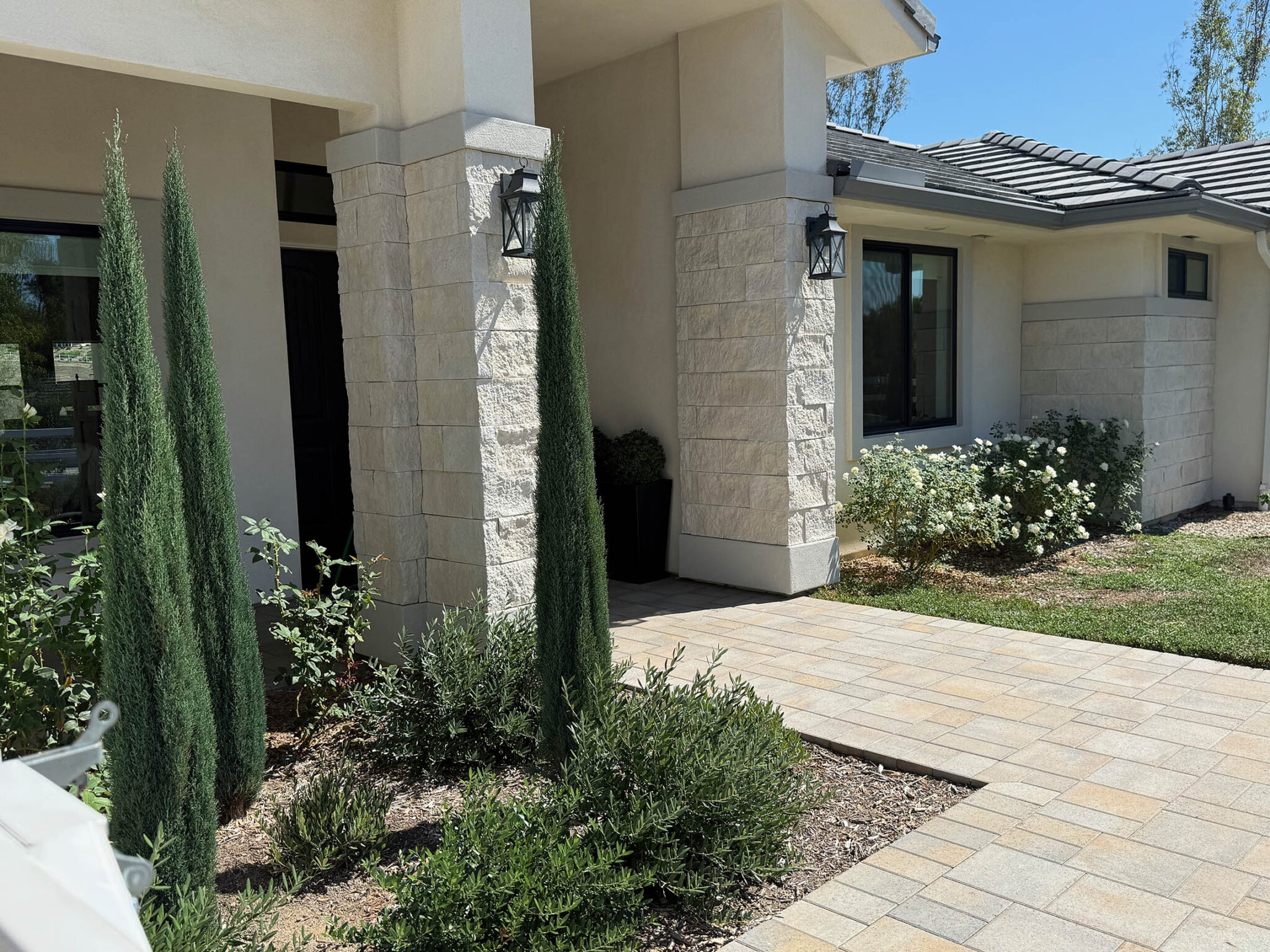
Mediterranean Garden Design Ideas for a Sun-Drenched Landscape
A successful garden begins with thoughtful design that embraces warmth, texture, and natural beauty. The goal is to create a relaxed outdoor space that feels airy and inviting while still being practical for dry weather.
Mediterranean Garden Design Principles That Create Timeless Appeal
Mediterranean design principles often focus on balance between plants, hardscape, and open space. This type of design highlights symmetry, natural materials, and plant groupings that mimic the sun-drenched landscapes of southern Europe.
Many Mediterranean-style gardens include paths, stone pavers, and decomposed granite surfaces that help control irrigation needs while maintaining a waterwise environment. These materials also help define walkways and gathering areas within the garden while enhancing the Mediterranean style.
By combining stone textures, terracotta, and fragrant Mediterranean plants, homeowners can create a Mediterranean-inspired garden that feels authentic while still being easy to maintain.
Courtyard Garden Spaces with Pergolas and Shade
One of the most recognizable elements of this style of garden is the courtyard. Courtyard gardens create a sheltered space where people can relax and enjoy the warm air while still benefiting from shade.
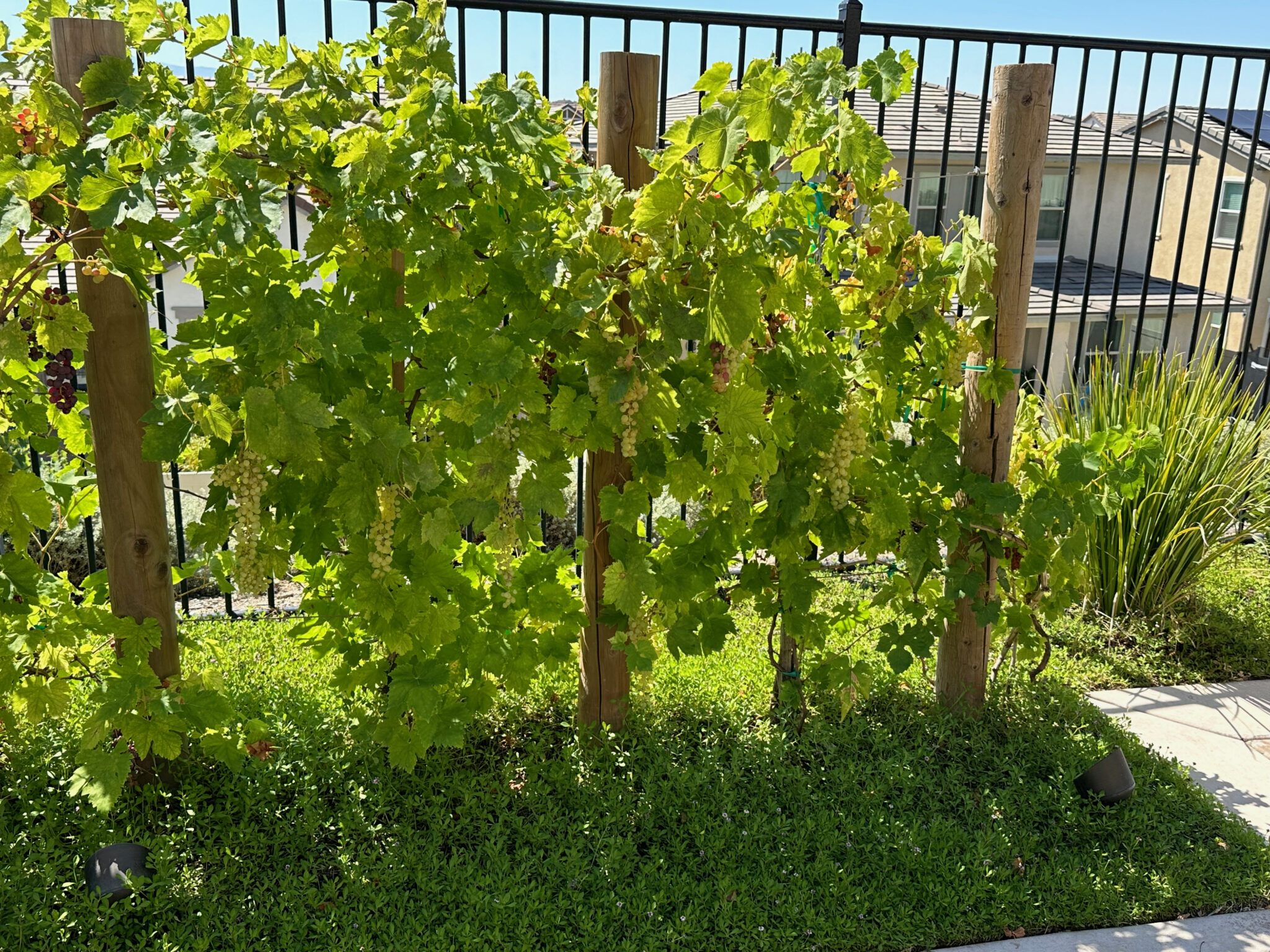
Pergolas and trellis structures are often used to provide shade and support flowering vine varieties. Bougainvillea and bougainvilleas can cascade over these structures, creating vibrant color and softening architectural lines.
Adding comfortable seating and textiles to a courtyard nook helps create a space that feels welcoming and relaxed. This type of garden design allows homeowners to enjoy an outdoor living area that blends beauty, tranquility, and functionality.
Terracotta Pots and Planters for Mediterranean Style
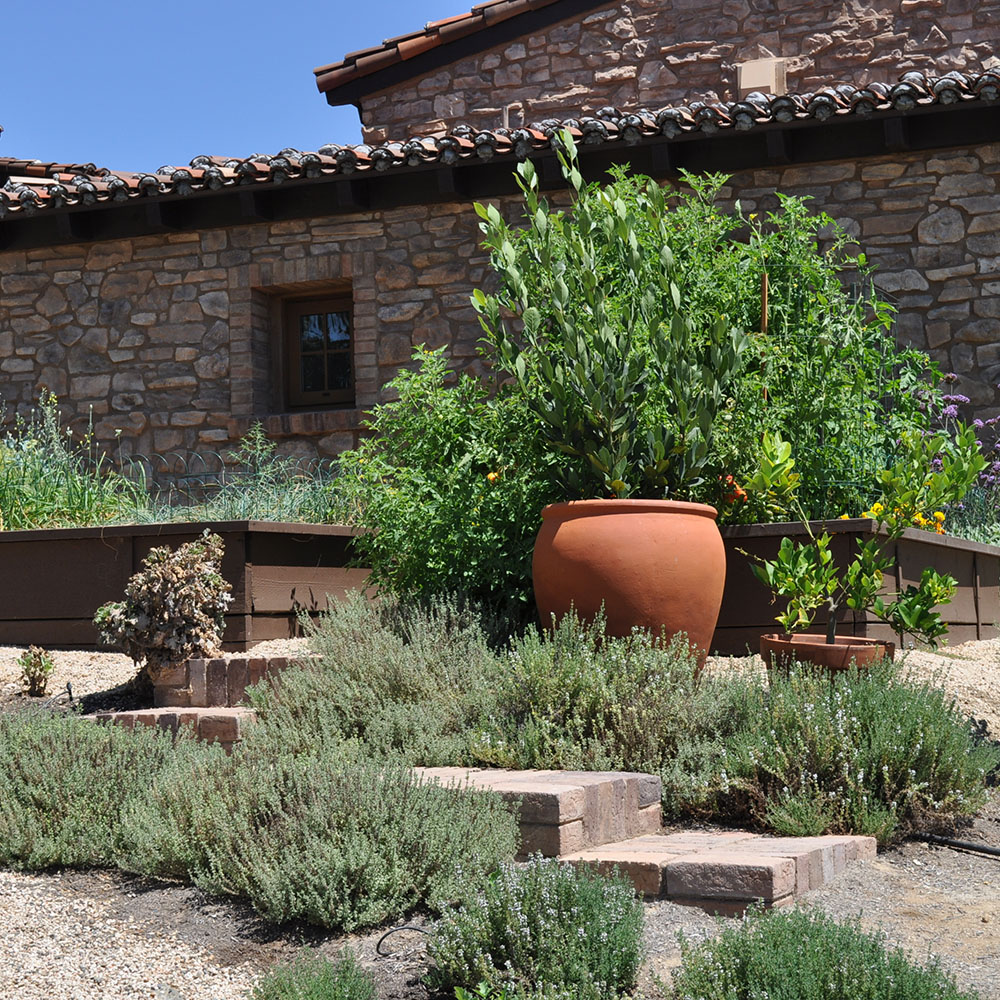
Earthy pots are a hallmark of the Mediterranean look. These earthy containers provide warmth and texture while complementing stone surfaces and natural materials throughout the landscape.
Large pots or a decorative planter can be used as a focal element in the garden. They are often filled with aromatic herbs or colorful flowering plants that bloom throughout the growing season.
These pots also make it easy to adjust planting arrangements. Gardeners can move containers around to add texture and interest to patios, pathways, and courtyard spaces.
Plants for the Mediterranean Garden That Thrive in Dry Climates
Choosing the right plants for the garden is essential to achieving the desired Mediterranean vibe. Many Mediterranean plants are well-suited for areas with warm temperatures, dry summers, and frost-free conditions.
Lavender, Rosemary, and Aromatic Perennial Herbs
Lavender is one of the most iconic plants for the Mediterranean-themed garden. Its silvery foliage, fragrant blooms, and drought tolerance make it a perfect fit for the Temecula Valley.
Lavender can be used in borders, raised beds, or pots throughout the garden. When grouped together, these perennial plants create waves of color and fragrance that evoke the sun-soaked fields of the Mediterranean coast.
Rosemary and thyme are also aromatic herbs commonly used in mediterranean style planting. These plants do well in full sun and require minimal irrigation once established. With occasional pruning maintenance to maintain shape, they remain healthy and vibrant for many seasons.
Olive Trees and Mediterranean Plants with Character
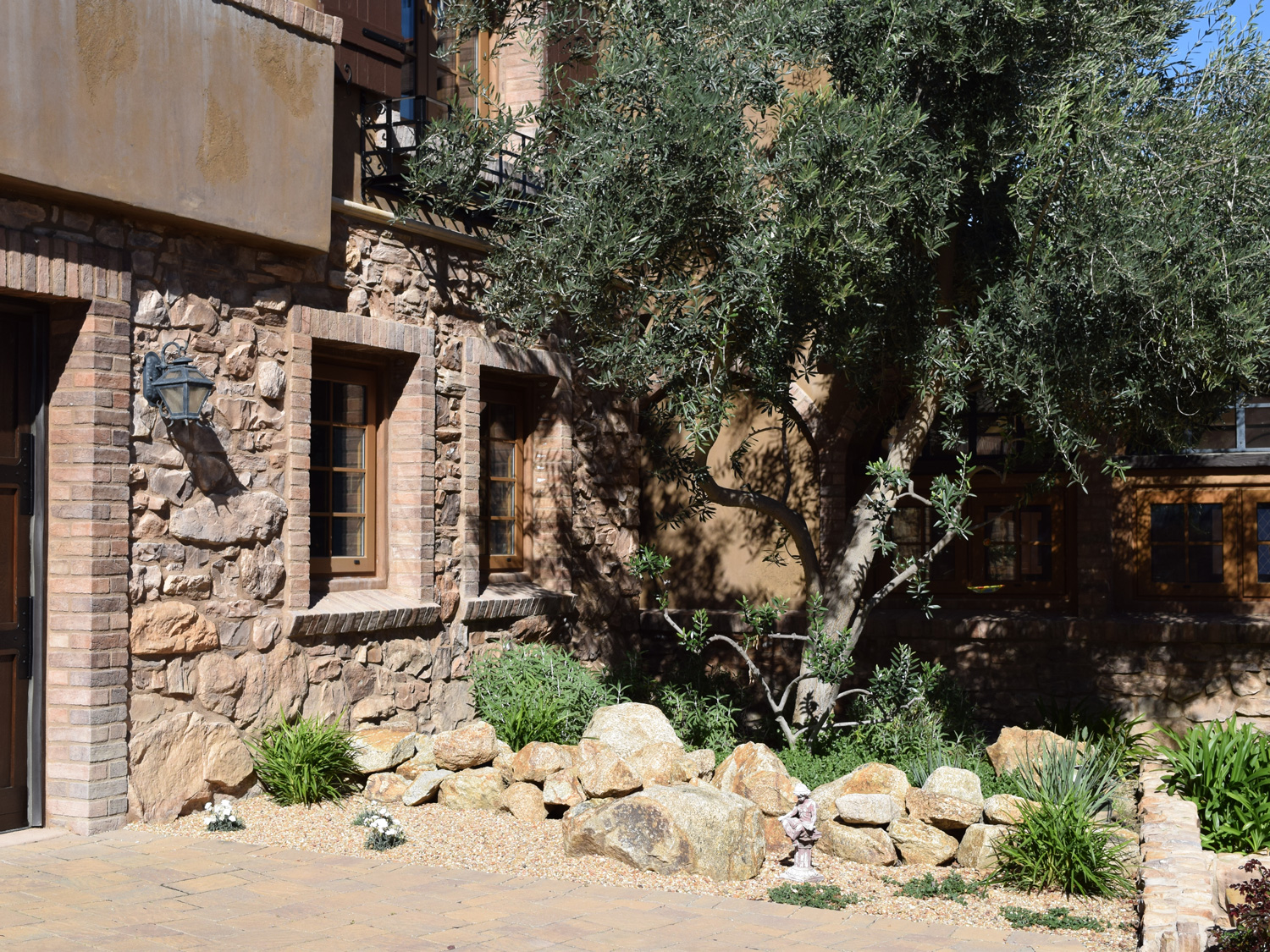
An olive tree is one of the most recognizable features of a Mediterranean design. The gray-green foliage of an olive tree provides contrast against stone hardscape elements and colorful flowers.
A fruiting olive or fruitless variety can serve as a focal point within the garden. Its sculptural shape adds elegance and timeless character to any Mediterranean landscape.
Other Mediterranean plants such as salvias, myrtle, and blue fescue also work beautifully in these landscapes. These plants that thrive in dry areas offer unique texture while requiring minimal water.
Succulents, Agave, and Drought-Tolerant Plants
For homeowners seeking landscaping ideas that are waterwise, succulents and agave are excellent choices. These plants are well adapted to dry summers and can survive in full sun.
Succulent varieties add sculptural interest to the garden and pair well with gravel paths or decomposed granite planting beds. Their bold shapes contrast nicely with softer plants like lavender or ornamental grass.
Purple fountain grass can also be used to introduce movement and color into the landscape. When combined with other low-water plants, it helps create a mediterranean style garden that feels vibrant yet easy to maintain.
Hardscape and Water Features in Mediterranean Landscape Design
Hardscape elements play an important role in creating the classic European feeling associated with Mediterranean ambiance. Materials like stone, gravel, and terracotta help define structure while maintaining the natural feel of the garden.
Stone Pavers and Gravel Paths for a Classic Mediterranean Look
Pavers and paths are commonly used to define circulation through the garden. These surfaces complement planting beds while reinforcing the Mediterranean look and feel.
Paths are particularly effective because they reduce water consumption and fit naturally within low-water landscapes. They also add a rustic charm reminiscent of the pathways found throughout the coastal regions of the Mediterranean.
Retaining walls made of natural stone can also help shape the landscape. These structures create raised beds and terraces that add depth and visual interest to the garden.
Adding a Fountain or Water Feature for Ambiance
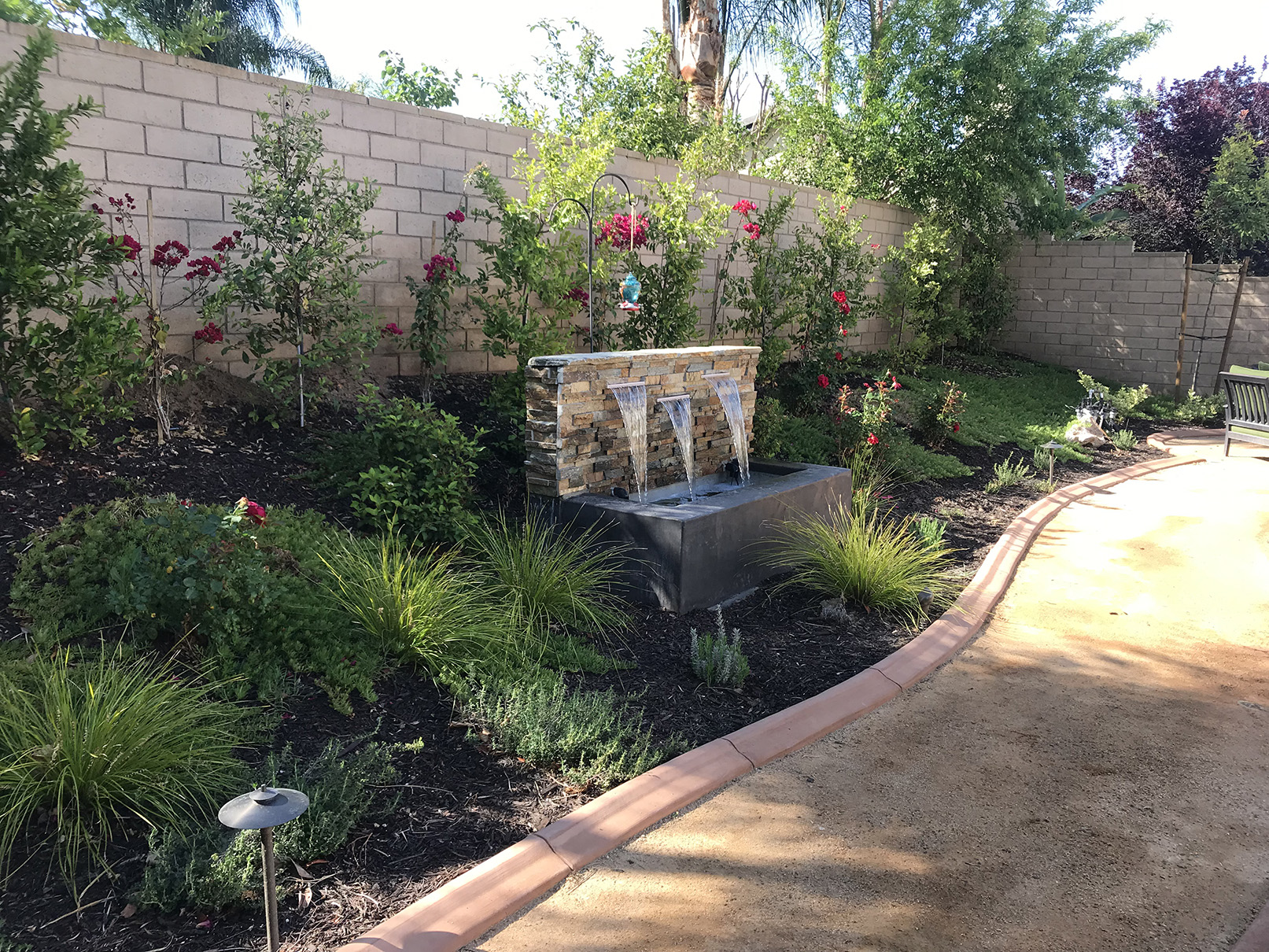
A water feature can bring a sense of tranquility to any Mediterranean-themed garden. The gentle sound of flowing water enhances the relaxing ambiance of the space.
In a courtyard setting, a small fountain often becomes the focal point of the garden. This type of feature reflects the influence of classic Mediterranean architecture and traditional garden design.
Beyond aesthetics, offering water can also attract birds and wildlife, bringing life and movement to the landscape.
Creating Functional Spaces with Hardscape
Well-designed gardens often include areas where people can gather and enjoy the outdoors. Hardscape features such as patios, stone seating walls, pergolas, and retaining walls create structure and functionality.
These features help transform your backyard into a comfortable extension of your home. Combined with thoughtful planting and design ideas, they allow homeowners to create a space that encourages outdoor living throughout the year.
Designing a Mediterranean-Inspired Garden for the Temecula Climate
Southern California’s sunny and dry weather makes it an ideal location for Mediterranean-style landscapes. With the right planning and plant selection, homeowners can design a garden that grows beautifully with minimal water while still providing lush beauty.
Choosing Plants That Thrive in Full Sun
Many Mediterranean plants flourish in full sun conditions. Lavender, rosemary, thyme, salvias, and agave all perform well in bright environments where sunlight is abundant.
When planning planting layouts, it is helpful to group plants according to their sunlight and irrigation needs. This approach allows the garden to remain healthy while minimizing water usage.
Selecting plants that bloom at different times of the year ensures color and interest throughout the seasons, including late summer when wide Mediterranean varieties continue to bloom.
Waterwise Irrigation and Low-Maintenance Planting
Efficient irrigation systems are essential for maintaining a healthy garden. Drip irrigation is often recommended because it delivers water directly to plant roots while minimizing evaporation.
This waterwise approach supports these plants and helps maintain healthy soil conditions. With proper irrigation and strategic planting, homeowners can create a low-water landscape that still looks lush and vibrant.
Pruning plants such as bougainvillea, rosemary, or hedge varieties helps maintain structure and encourages healthy bloom cycles.
Bringing Mediterranean Flair to Your Garden Design
To fully capture the Mediterranean aesthetic, consider combining plants, hardscape materials, and decorative elements that evoke the charm of classic European landscapes.
Bougainvillea with vibrant magenta flowers climbing over a trellis can add dramatic color and visual interest. Olive trees, fragrant herbs, and planters contribute to the Mediterranean vibe while enhancing the relaxed atmosphere.
By blending planting, architectural features, and decorative touches, homeowners can design a Mediterranean garden that includes all the elements needed to create a beautiful and inviting area.
For homeowners looking to implement these landscaping ideas, McCabe’s Landscape provides professional landscape design, construction, and maintenance services throughout the Temecula Valley. Their team understands how to create Mediterranean landscapes that are suited to the local climate while delivering beauty and functionality. A thoughtfully designed garden by McCabe’s Landscape can bring the timeless charm of the Mediterranean coast directly into your own backyard.
FAQs About Mediterranean Garden Design
What plants work best in this style garden?
Plants for the Mediterranean-inspired garden typically include drought-tolerant plants such as lavender, rosemary, thyme, olive tree varieties, salvias, myrtle, and bougainvillea. These Mediterranean plants grow well in full sun conditions and help create the fragrant and colorful garden environment associated with Mediterranean landscapes.
How do you create the Mediterranean look in a garden?
Creating the Mediterranean look involves combining terracotta pots, pathways, stone pavers, and plantings that tolerate drought well. Olive trees, fragrant herbs, flowering vines, and classic hardscape materials help establish the Mediterranean look and feel within the garden.
Are Mediterranean gardens good for Southern California?
Yes, Mediterranean gardens are ideal for Southern California because the weather patterns closely resemble the Mediterranean coast. With dry summers and abundant sunshine, many Mediterranean plants remain healthy while requiring minimal irrigation, making the landscape both beautiful and waterwise.
Do Mediterranean gardens require a lot of maintenance?
Most Mediterranean gardens are considered low-maintenance because they rely on low-water plants and efficient irrigation systems. Occasional pruning, seasonal planting updates, and maintaining healthy soil conditions help ensure the garden continues to grow beautifully.
Can a Mediterranean garden transform your backyard?
A thoughtfully planned Mediterranean garden can absolutely transform your backyard. By combining plants, fountains, terraces, and comfortable seating areas, homeowners can create a relaxing space that captures the tranquility and ambiance of the Mediterranean landscape.