Cottage Garden Landscaping
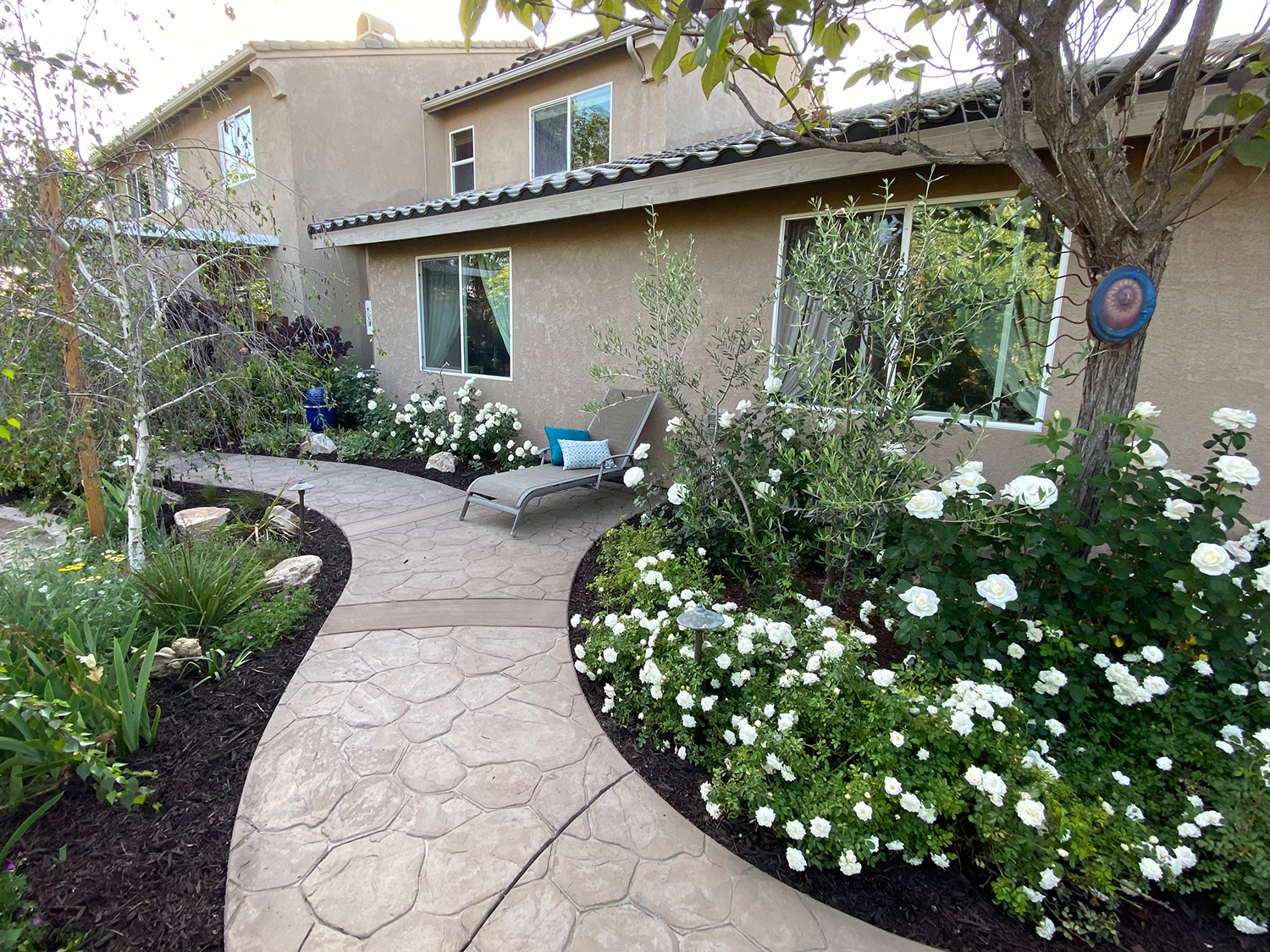
A cottage garden brings warmth, color, and personality into any outdoor space. Rather than feeling overly manicured, this style of garden is relaxed and welcoming, filled with layered plantings, soft edges, and a sense of abundance. A well planned cottage garden blends beauty with practicality, creating a garden that feels timeless and lived in while still working beautifully within a modern landscape.
For homeowners throughout the Temecula Valley, cottage garden landscaping offers a way to enjoy flowers, texture, and visual interest throughout the season. McCabe’s Landscape specializes in helping homeowners translate this classic garden style into thoughtful landscape design, construction, and long term maintenance that fits local conditions.
The Timeless Appeal of a Cottage Garden
A cottage garden is defined by its abundance and charm. This style celebrates natural beauty, layered plantings, and a welcoming atmosphere that feels both intentional and effortless.
The Old Fashioned Cottage Garden Influence
The old fashioned cottage garden traces its roots back to the English cottage garden and the british cottage aesthetic. These gardens were designed to be practical as well as beautiful, filled with flowers, herbs, and shrubs that served both function and form. That influence remains today, especially in the traditional cottage garden approach.
In a modern landscape, this style is expressed through informal layouts, curved planting beds, and a mix of many plants growing closely together. A traditional cottage garden avoids rigid symmetry and instead embraces softness, overflow, and organic shapes that create a comforting environment.
Flowers and Blooms Throughout the Season
A successful cottage garden depends on thoughtful plant selection that delivers beautiful blooms throughout the growing season. A mix of perennial favorites and carefully chosen annual plants ensures the garden never feels stagnant.
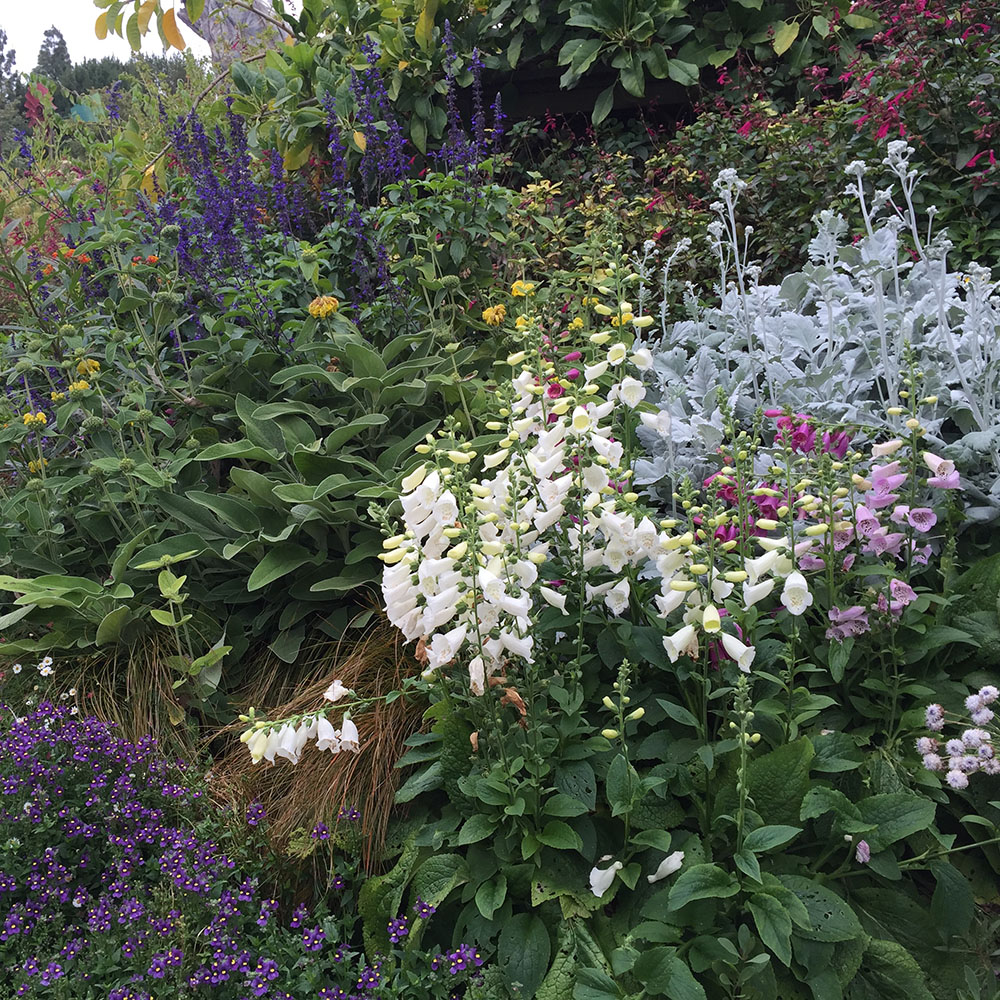
Plants like hollyhock, peony, delphinium, and daisy help define the flower garden, while bulbs and annuals fill in gaps and add color throughout the summer. This layering allows the garden to evolve naturally, offering interest throughout the season instead of peaking all at once.
Roses as a Cottage Garden Essential
The rose has always been central to cottage style planting. Whether used as a shrub, trained on a trellis, or showcased as climbing roses on an arbor, roses bring romance, fragrance, and structure to the garden.
Pairing rose varieties with clematis or wisteria enhances the layered look while adding height and visual interest. When placed correctly, roses thrive without overwhelming surrounding plants, contributing to a balanced and cohesive cottage garden look.
Designing a Cottage Garden That Feels Natural
While a cottage garden may appear effortless, successful results come from thoughtful planning. Designing a cottage garden requires balancing whimsy with structure so the space remains functional and visually cohesive.
Garden Design with Soft Structure
Effective garden design blends informal planting with subtle structure. Elements such as boxwoods, low evergreen plantings, or a simple hedge help anchor the space and prevent the garden from feeling chaotic.
These structural plants give definition to the landscape while allowing softer flowers to shine. A skilled landscape designer understands how to use grouping and repetition to guide the eye while preserving the relaxed feel of a traditional cottage garden.
Borders, Ground Cover, and Layered Planting
Layering is essential in a cottage garden. Taller plants are placed toward the back of planting beds, medium height border plants fill the middle, and ground cover softens the edges.
Plants like stachys create a gentle transition along pathways, while low growing plants help define the garden without harsh lines. This layered approach adds depth and visual interest while keeping the garden cohesive.
Creating a Front Yard Cottage Garden
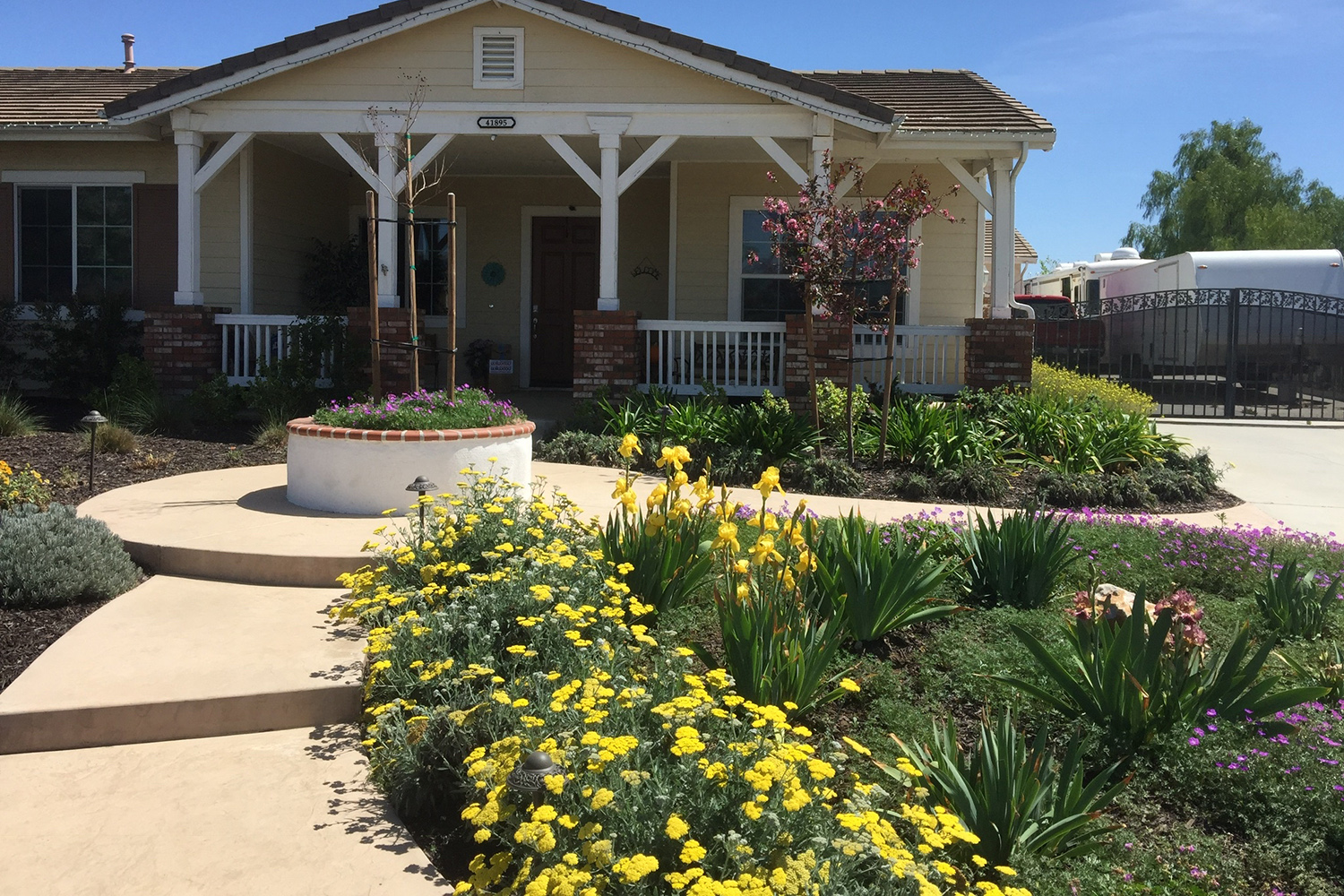
A front yard cottage garden creates curb appeal with personality. Instead of a formal lawn, this style welcomes visitors with color, texture, and movement.
Features such as a picket fence or picket detailing help define the space while reinforcing the charm of a cottage style garden. The result is a front yard cottage garden that feels inviting, expressive, and full of character.
Hardscape Elements That Support Cottage Gardens
Hardscape features play a quiet but important role in cottage garden landscaping. When used thoughtfully, they enhance both function and aesthetics without overpowering the plants.
Flagstone Paths and Paver Walkways
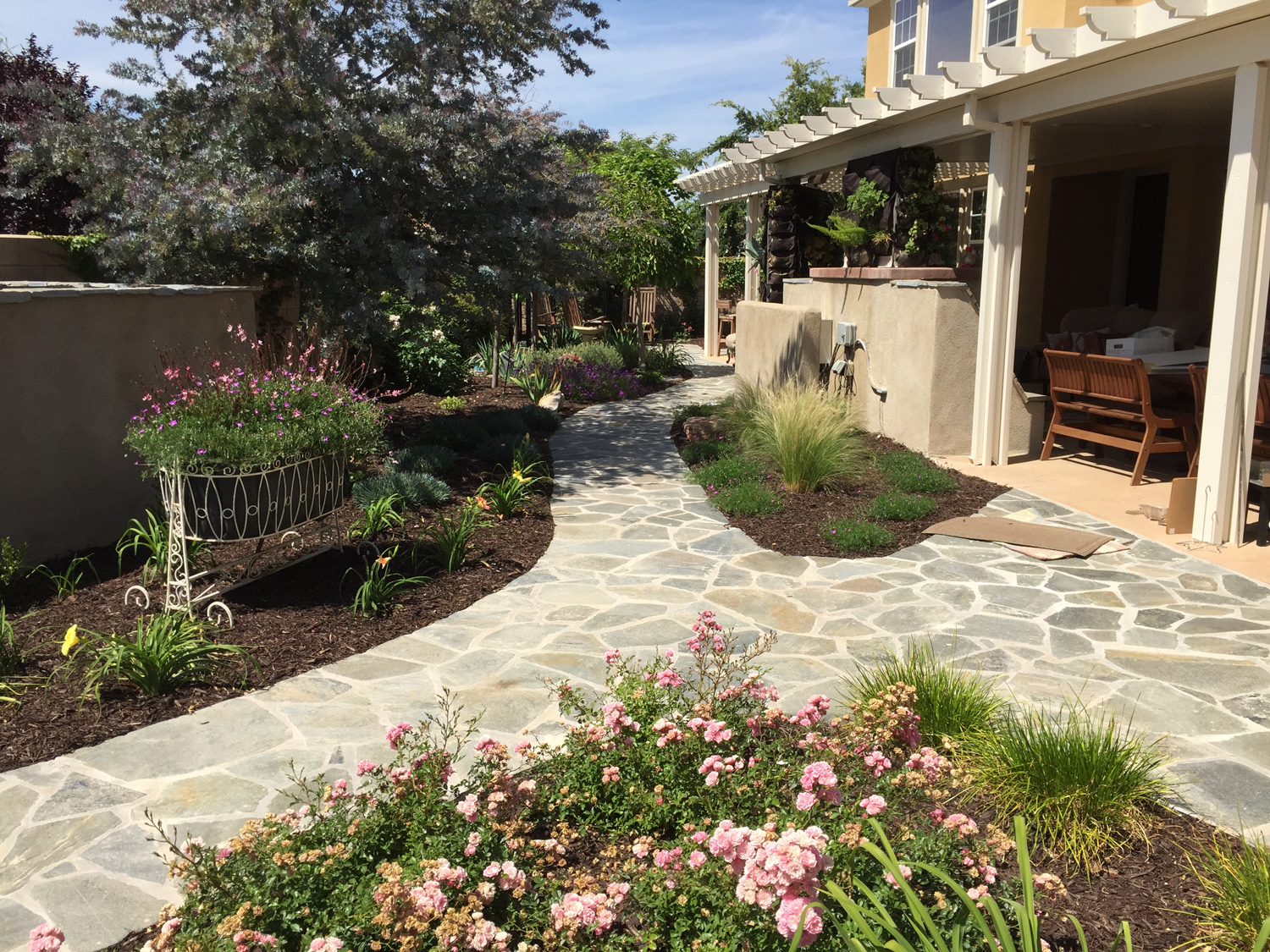
Natural flagstone paths and well placed paver walkways provide structure and accessibility within the garden. These materials blend seamlessly into the landscape and feel timeless rather than formal.
Flagstone and paver surfaces guide movement through the garden while allowing plants to soften their edges. This balance between plants and hardscaping keeps the space functional and visually appealing.
Trellises, Arbors, and Vertical Interest
Vertical elements such as a trellis, arbor, or lattice allow vines and climbing plants to add height without crowding the garden footprint. Climbing roses, clematis, and wisteria thrive when supported properly.
These features also create focal points and cozy moments within the landscape, enhancing the cottage garden look while adding structure.
Mulch and Organic Materials
Mulch plays an important role in maintaining a healthy garden. Using wood chips or similar materials helps retain moisture, suppress weeds, and improve soil health.
Combined with organic soil, mulch supports plant growth and reinforces the natural feel of the cottage garden. It also makes long term maintenance more manageable while preserving the relaxed appearance homeowners love.
Plant Selection and Long Term Care
A thriving cottage garden requires ongoing care and thoughtful plant choices. With the right approach, this garden style becomes easier to maintain over time.
Choosing the Right Garden Plants
Selecting the right garden plant mix ensures long term success. Combining shrubs and trees with flowering plants provides structure and seasonal variety.
Plants like hydrangea, lilac, and carefully selected shrub varieties create continuity, while wildflowers and self sowing plants add spontaneity and charm. This balance keeps the garden feeling full without becoming overwhelming.
Cut Flowers and Everyday Enjoyment
One of the joys of a cottage garden is harvesting cut flowers for the home. Many traditional cottage plants produce beautiful cut flowers that can be enjoyed indoors as well.
By choosing plants that bloom at different times, homeowners can enjoy fresh arrangements throughout the season without sacrificing the beauty of the outdoor garden.
Maintenance and Healthy Growth
Regular maintenance such as watering, pruning, and deadheading helps keep the garden healthy and encourages continuous flowering. Removing spent blooms allows plants to redirect energy toward new growth.
Introducing new plants gradually helps the garden evolve naturally. Over time, the space becomes a favorite cottage retreat that feels established, personal, and easy to enjoy.

Frequently Asked Questions About Cottage Garden Landscaping
What defines a cottage garden compared to other garden styles?
A cottage garden emphasizes layered planting, informal layouts, and a relaxed mix of flowers and shrubs rather than rigid symmetry. This approach creates a garden that feels welcoming, abundant, and naturally balanced.
Can cottage garden ideas work in Southern California?
Yes, with proper plant selection and irrigation, cottage garden ideas adapt well to the Temecula Valley climate. Choosing drought tolerant varieties and planning for seasonal changes helps the garden thrive year round.
How much maintenance does a cottage garden require?
A well planned cottage garden becomes easier to maintain over time. Seasonal pruning, deadheading, and occasional plant replacement help keep the garden healthy without constant upkeep.
Should I work with a professional landscape designer?
Working with a professional landscape designer helps ensure your landscape supports proper drainage, plant growth, and long term usability while achieving the desired cottage garden look.
How do design ideas help maintain visual interest throughout the year?
Thoughtful design ideas will help maintain visual interest by layering plants with different bloom times, textures, and heights so the garden remains engaging in every season.
A cottage garden should feel personal, inviting, and full of life, not forced or overly formal. When thoughtfully planned, this style of garden brings color, texture, and warmth to your outdoor space while still working in harmony with your home and lifestyle. From layered plantings and soft pathways to long lasting blooms that evolve throughout the season, a well designed cottage garden creates a space you truly enjoy spending time in.
If you are ready to bring this look to your own yard, McCabe’s Landscape can help. Our team specializes in landscape design, construction, and ongoing maintenance throughout the Temecula Valley, and we know how to create cottage gardens that thrive in local conditions. Contact McCabe’s Landscape today to schedule a consultation and start designing a garden that feels timeless, welcoming, and uniquely yours.